





What's Happening?
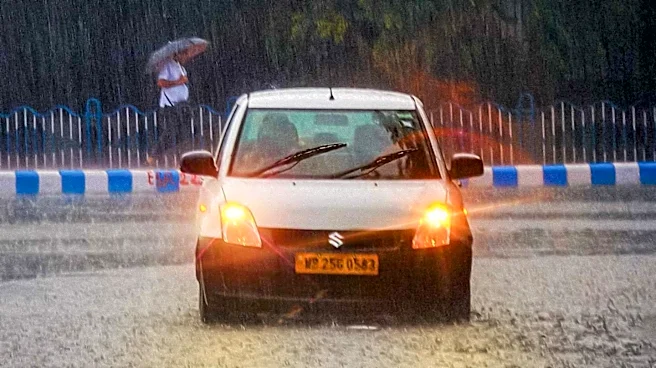
Maine State Police have issued a warning regarding numerous car crashes occurring in the Greater Bangor area on Thursday morning. The incidents are attributed to challenging driving conditions caused by heavy rainfall. While several crashes have been
reported, authorities have confirmed that none have resulted in injuries. The police are advising drivers to exercise extreme caution, reduce their speed, maintain increased distance from other vehicles, and be wary of standing water on roadways. The heavy rain significantly reduces visibility and elevates the risk of hydroplaning, making travel more hazardous. Drivers are encouraged to allocate extra time for their commutes during this period of inclement weather.
Why It's Important?
The warning from Maine State Police highlights the immediate public safety concerns posed by adverse weather conditions. Heavy rainfall and its associated driving hazards, such as reduced visibility and hydroplaning, can lead to a surge in traffic accidents, impacting daily commutes and potentially straining emergency services. While no injuries have been reported in these specific incidents, the potential for serious accidents remains. This situation underscores the importance of public awareness campaigns regarding safe driving practices in challenging weather, which can help mitigate risks and prevent injuries or fatalities. For local businesses, disrupted commutes can affect employee punctuality and customer access, leading to minor economic ripple effects. The need for drivers to adapt to changing road conditions is crucial for maintaining overall road safety.
What's Next?
As heavy rain continues, authorities will likely maintain their advisories and potentially increase patrols in affected areas to manage traffic and respond to incidents. Drivers should anticipate ongoing challenging conditions and plan their travel accordingly. The focus will remain on preventing further accidents and ensuring public safety. Local weather forecasts will be critical in determining when conditions are expected to improve. Emergency services will remain on alert to respond to any further incidents, and public information campaigns will likely continue to reinforce safe driving messages. The long-term implications will depend on the severity and duration of the weather event, potentially leading to discussions about infrastructure improvements for drainage if such events become more frequent.
Beyond the Headlines
Beyond the immediate safety concerns, this situation subtly highlights the broader impact of weather patterns on daily life and infrastructure. Frequent or intense rainfall events can expose vulnerabilities in urban planning and road design, particularly concerning drainage systems. While a single day of heavy rain might seem minor, a pattern of such events could lead to increased wear and tear on roads, higher maintenance costs, and a greater need for public education on climate-resilient driving practices. It also touches upon the psychological aspect of driving, where complacency in familiar conditions can be dangerous when weather changes rapidly. The collective response to such warnings reflects a community's preparedness and adaptability to environmental challenges.