



What's Happening?
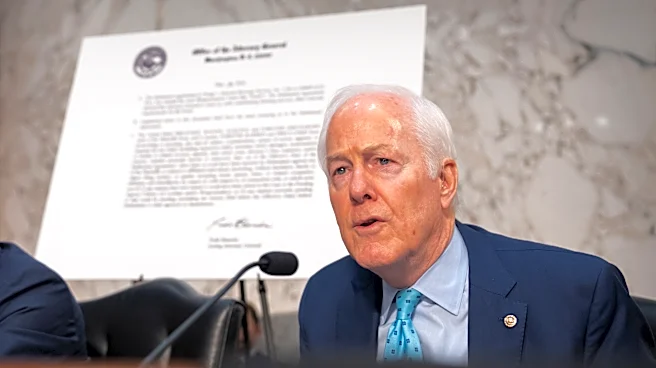
The Senate Homeland Security and Governmental Affairs Committee has moved forward with nominations for three significant federal workforce agencies. Charles Baldis has been nominated to lead the Office of Special Counsel (OSC), a position he has been effectively
managing as chief counsel. James Woodruff, who was confirmed last fall, is set to become the chairman of the Merit Systems Protection Board (MSPB). Charlton Allen, a former chairman of the North Carolina Industrial Commission, is nominated for the general counsel position at the Federal Labor Relations Authority (FLRA). These nominations follow the firing of officials by President Trump, who had been appointed under President Biden. The MSPB currently has a quorum with two Republican members, although many cases are being set aside due to potential conflicts of interest. The FLRA general counsel position has been vacant since the start of the Trump administration, with a backlog of over 300 complaints pending.
Why It's Important?
These nominations are crucial as they fill key positions that oversee federal workforce operations, impacting how federal employees are managed and protected. The MSPB and FLRA play significant roles in resolving labor disputes and ensuring fair treatment of federal employees. The backlog of complaints at the FLRA highlights the need for effective leadership to address labor issues. The nominations also reflect ongoing political dynamics, as the positions were vacated following President Trump's dismissal of officials appointed by his predecessor. The decisions made by these agencies can affect federal workforce policies, employee rights, and labor relations, influencing the broader public sector environment.
What's Next?
The Senate will need to confirm these nominations, which could face partisan challenges given the political history of the positions. If confirmed, the new leaders will need to address existing backlogs and implement policies that align with current administration priorities. The FLRA, in particular, will need to tackle the significant number of pending complaints, which could impact labor relations across federal agencies. The MSPB will continue to issue decisions, but the absence of a third member could affect its ability to handle cases efficiently. The Office of Government Ethics remains without a confirmed leader, which could influence ethical oversight in federal operations.