






What's Happening?
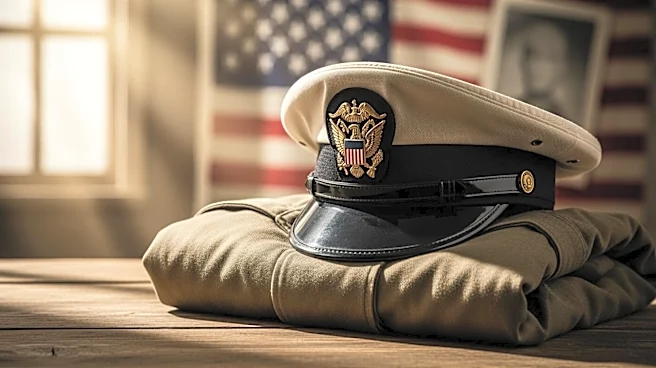
Calvin Graham, a 12-year-old boy, managed to enlist in the United States Navy during World War II by disguising his age. Despite being underage, Graham served as a gunner on the USS South Dakota, a ship that saw significant action during the Guadalcanal
Campaign. He was injured in battle and received several medals, including a Bronze Star and a Purple Heart. However, his true age was discovered after his mother recognized him in news footage, leading to his dishonorable discharge and the revocation of his medals and benefits. Years later, his discharge was changed to honorable, and his medals were restored, except for the Purple Heart, which was awarded posthumously in 1994.
Why It's Important?
Graham's story highlights the extreme measures some individuals took to serve during World War II, reflecting the intense national sentiment and personal motivations of the time. His eventual recognition underscores the importance of acknowledging and rectifying past injustices, particularly those involving military service. The restoration of his honors serves as a reminder of the sacrifices made by young soldiers and the need for fair treatment of veterans. This case also illustrates the complexities of military enlistment policies and the impact of bureaucratic decisions on individual lives.
What's Next?
The posthumous awarding of Graham's Purple Heart in 1994 marked the final chapter in his recognition saga. This event may prompt further examination of historical military records to ensure that other veterans who faced similar circumstances receive due acknowledgment. It also raises awareness about the need for ongoing support and advocacy for veterans' rights and benefits, potentially influencing future policy decisions regarding military service and veteran affairs.
Beyond the Headlines
Graham's story sheds light on the broader cultural and ethical implications of underage military service during wartime. It raises questions about the moral responsibilities of military institutions in verifying enlistment criteria and the long-term psychological and social effects on those who served under false pretenses. Additionally, it highlights the enduring impact of wartime experiences on individuals and their families, emphasizing the importance of historical memory and recognition in healing past wounds.