





What's Happening?
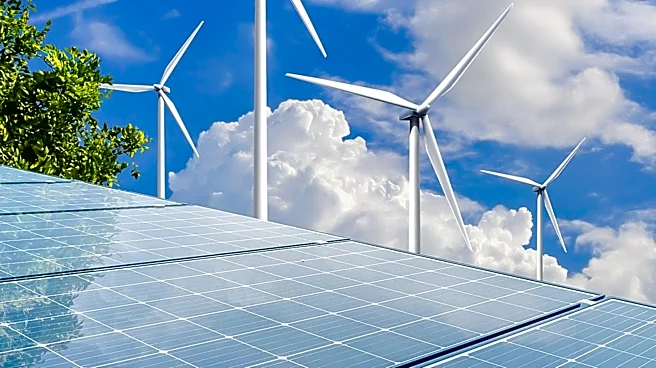
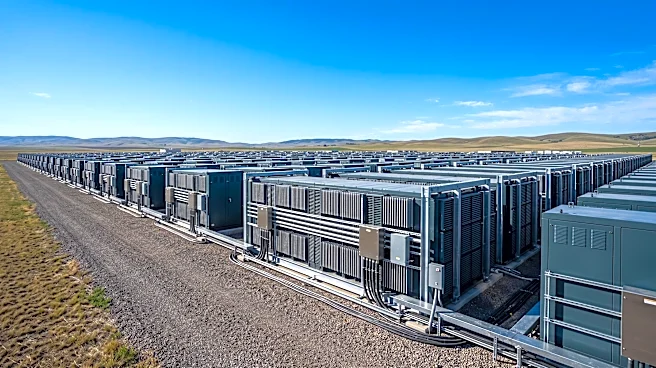
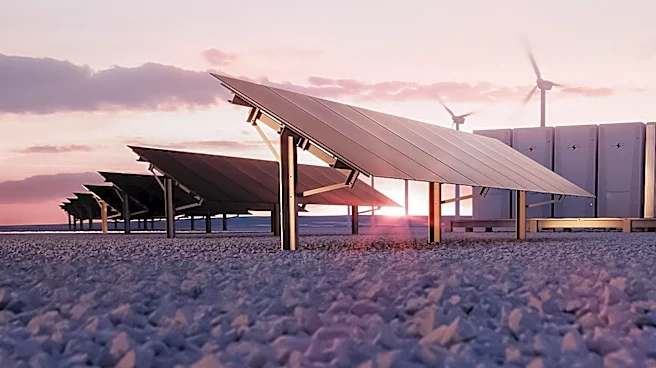
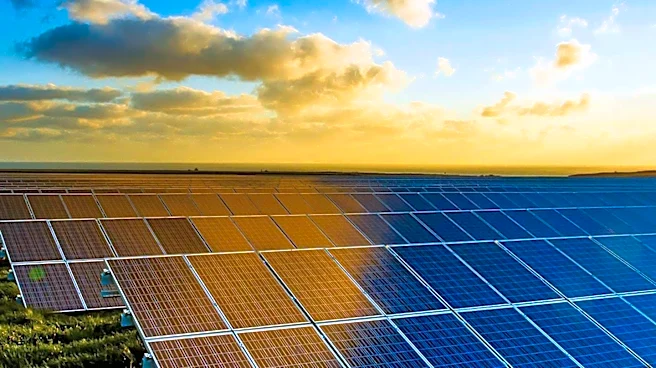
A former one-room schoolhouse in Ojo Sarco, New Mexico, now serving as a community center, has significantly upgraded its energy infrastructure by installing a 7.5-kilowatt solar array and a 10.6-kilowatt-hour battery system. This initiative, carried
out by Taos-based PPC Solar, aims to lower electricity bills and ensure continuous power during outages for the rural community. According to Carol Miller, a grant writer and community center board member, the upgrade has already reduced electric costs, which is crucial for the center's shoestring operation. The community center, which provides essential services like summer meals for children, safety classes, and food-bank distributions, now also offers internet access even when the main power grid is down. The installation was provided free of charge through PPC Solar's annual nonprofit donation program, following a three-year application process. The system allows the center to maintain critical services and connectivity, benefiting the 300 residents of Ojo Sarco, an unincorporated community located 43 miles northeast of Santa Fe.
Why It's Important?
This development highlights a growing trend in rural U.S. communities to adopt renewable energy solutions for both economic and resilience benefits. For communities like Ojo Sarco, which face challenges in accessing basic amenities and are vulnerable to power disruptions, solar-plus-battery systems offer a vital lifeline. The reduction in electricity costs directly supports the operational sustainability of community centers, enabling them to allocate more resources to essential services. Furthermore, the ability to maintain power and internet connectivity during outages is critical for public safety, communication, and access to information, especially in remote areas where external support might be delayed. This model demonstrates how localized renewable energy projects can empower underserved communities, fostering self-sufficiency and improving the quality of life for residents by ensuring consistent access to modern necessities.
What's Next?
The success of the Ojo Sarco Community Center's solar and battery installation is likely to serve as a case study for other rural communities and non-profit organizations across the U.S. facing similar energy challenges. The continued operation and documented benefits of this system could encourage more widespread adoption of such technologies, potentially influencing policy decisions and funding allocations for renewable energy projects in underserved areas. Energy providers and solar companies may also look to replicate this model, expanding their nonprofit donation programs or developing tailored solutions for community-based organizations. As more communities prioritize energy independence and resilience, there could be an increased demand for integrated solar and storage solutions, driving innovation and investment in the renewable energy sector.
Beyond the Headlines
The Ojo Sarco project transcends mere energy savings; it represents a significant step towards energy equity and community empowerment. By providing reliable power and internet, the center addresses systemic issues of access and vulnerability often experienced by rural, low-income populations. This initiative underscores the potential for technology to bridge socio-economic divides and create ripple effects that enhance overall community well-being. The 'solar-oriented' children mentioned by Carol Miller suggest a cultural shift, where younger generations are growing up with direct exposure to sustainable technologies, potentially fostering a greater appreciation for environmental stewardship and technological literacy. This project also highlights the critical role of non-profit organizations and corporate social responsibility in driving positive change and building resilient communities from the ground up.