






What's Happening?
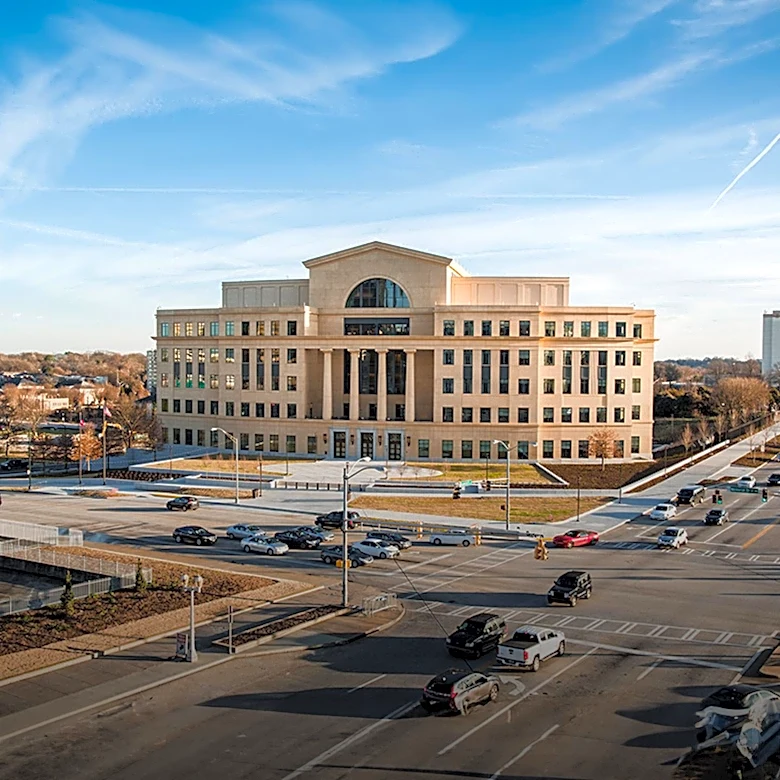
The U.S. Court of Appeals for the 11th Circuit has struck down the higher education provisions of Florida's Stop WOKE Act, ruling that the law unconstitutionally restricts speech in college classrooms. The decision, issued on July 7, 2026, was a 2-1 ruling against
the act, which was enacted in 2022. The Stop WOKE Act aimed to regulate how schools and businesses discussed topics such as race, gender, and diversity, equity, and inclusion (DEI) training. Florida Governor Ron DeSantis was a prominent supporter of the act. The American Civil Liberties Union (ACLU) of Florida, along with other legal entities, filed a lawsuit on behalf of Florida professors affected by the law. The court's decision emphasized the importance of free speech in educational settings, allowing students to engage in open discussions without government interference.
Why It's Important?
This ruling is significant as it reinforces the First Amendment rights within educational institutions, ensuring that students and educators can engage in free and open exchanges of ideas. The decision is seen as a victory for academic freedom and a setback for legislative attempts to control educational content. It highlights the judiciary's role in upholding constitutional rights against political agendas that seek to limit discourse on critical social issues. The ruling may influence similar cases across the country, setting a precedent for how educational content is regulated and discussed. It also addresses concerns about the impact of such laws on teacher employment and the broader educational environment, which had been described as restrictive and toxic by some educators.
What's Next?
Following the court's decision, educational institutions in Florida are expected to review and potentially revise their curricula to align with the ruling. The state government may consider appealing the decision or revising the legislation to address the court's concerns. Educators and advocacy groups will likely continue to monitor and challenge similar legislative efforts that they perceive as infringing on free speech. The ruling may also prompt discussions at the national level about the balance between state control and academic freedom, influencing future legislative and judicial actions in other states.