
What's Happening?
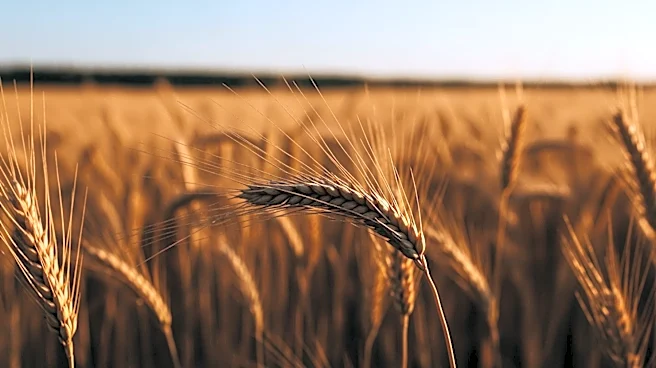
In Western Colorado, the rising cost of diesel fuel is significantly impacting the agricultural sector. Diesel prices in Grand Junction have surged to over $5 a gallon, up from just under $4 a month ago.
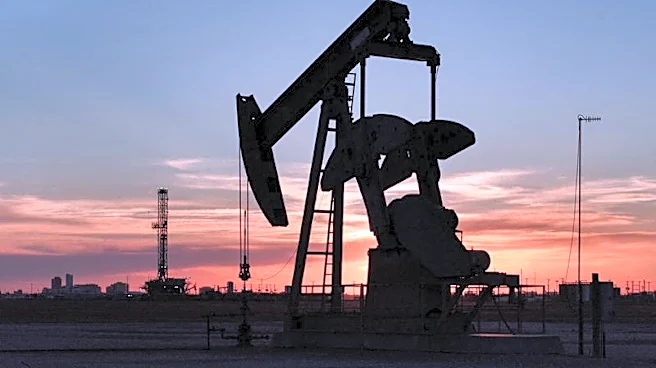
This increase is attributed to a spike in oil prices, influenced by geopolitical tensions in the Middle East. Farmers and ranchers, who rely heavily on diesel for machinery and transportation, are facing higher input costs. Janie VanWinkle, a Fellow for the AgriWest Initiative, highlighted that these costs are a major concern for producers in the region. The seasonal nature of farming and ranching means that these price hikes are particularly challenging during critical periods such as spring planting and fall harvest.
Why It's Important?
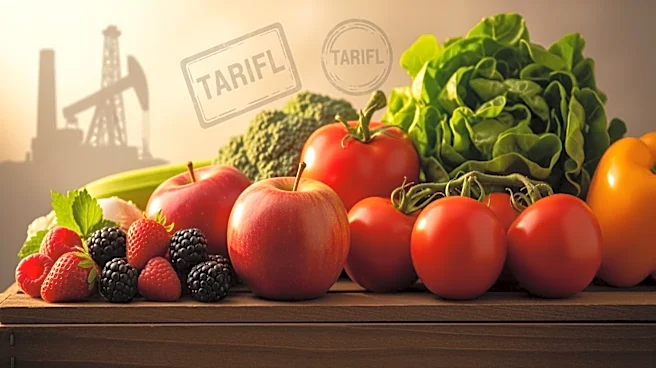
The increase in diesel prices poses a significant challenge to the sustainability of agriculture in Western Colorado. Higher fuel costs translate to increased expenses for farmers, affecting their profitability and potentially leading to higher prices for consumers. This situation exacerbates existing pressures on the agricultural sector, including drought and political challenges. The rising costs could lead to a reduction in farmland and a decline in the number of producers, threatening the viability of local agriculture. The broader economic impact includes potential disruptions in the supply chain and increased costs for food production and distribution.
What's Next?
Farmers and ranchers in Western Colorado may need to explore alternative strategies to mitigate the impact of rising diesel prices. This could include investing in more fuel-efficient machinery or exploring renewable energy options. Additionally, there may be calls for policy interventions to support the agricultural sector, such as subsidies or incentives for adopting sustainable practices. The ongoing geopolitical tensions that are driving oil prices may continue to affect diesel costs, necessitating adaptive measures from the agricultural community.