



What's Happening?
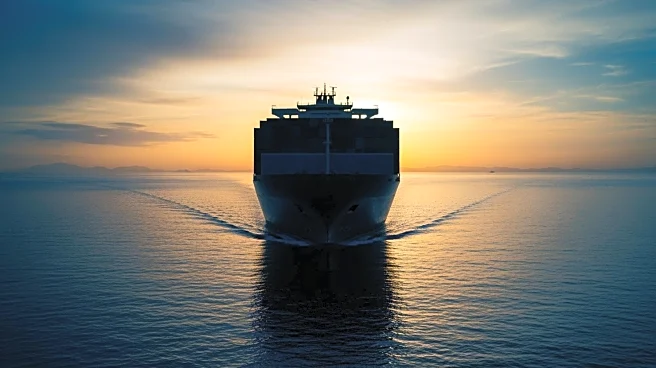
Maersk has completed a significant transit through the Red Sea with its US-flagged vessel, Maersk Denver, marking a cautious return to the route. The transit occurred between January 11 and 12, with the vessel reaching the Red Sea northbound without incident.
This move follows the earlier transit of the Maersk Sebarok in December, which was the first Maersk vessel to navigate the region since 2024. The Maersk Denver, built in 2007 and with a capacity of 6,200 TEU, is contracted to carry cargoes for the U.S. government. The vessel is currently on a westbound journey, having departed from India and made stops in Dubai and Oman. It is scheduled to transit the Suez Canal and proceed to the U.S. East Coast and Houston. Maersk has emphasized that while they are gradually resuming navigation along the East-West corridor via the Suez Canal and the Red Sea, security remains a priority, and no additional sailings have been announced.
Why It's Important?
The transit of the Maersk Denver is a critical step in re-establishing shipping routes through the Red Sea and Suez Canal, which are vital for global trade. The cautious approach by Maersk highlights ongoing security concerns in the region, which have previously disrupted shipping activities. The Suez Canal Authority is keen to restore full service, as the canal is a crucial maritime route that significantly reduces travel time between Europe and Asia. The return of major carriers like Maersk and CMA CGM to these routes could signal improved security and stability, potentially leading to increased economic activity and reduced shipping costs. However, the slow return also reflects the need for adjustments in insurance and security measures to ensure the safety of crews and vessels.
What's Next?
Maersk's gradual return to the Red Sea and Suez Canal routes will likely continue, contingent on maintaining security thresholds. The Suez Canal Authority will persist in its efforts to encourage more carriers to resume their routes, emphasizing the efficiency and safety of the canal. However, geopolitical tensions, such as unrest in Iran, could impact the pace of this return. Carriers may require further assurances and adjustments from insurance providers to make the route economically viable. The situation remains fluid, with potential implications for global shipping and trade dynamics.