





What's Happening?
Scientists at Southern Illinois University (SIU) Carbondale, funded by NASA, have developed a method to create edible, protein-rich cookies from upcycled plastic bottles and plant waste. This innovative process uses specially designed yeasts to convert
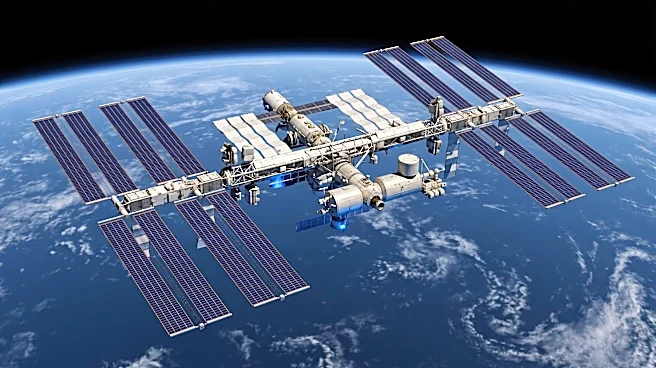
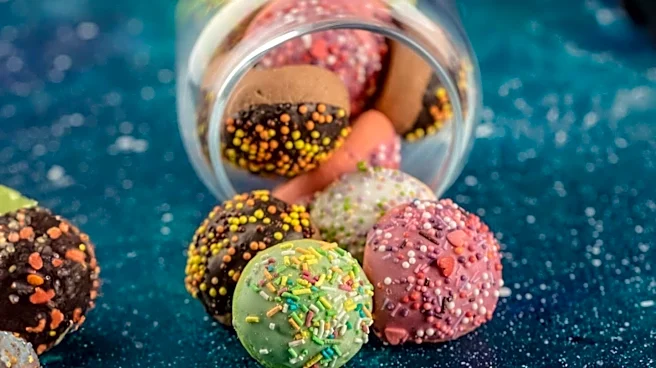
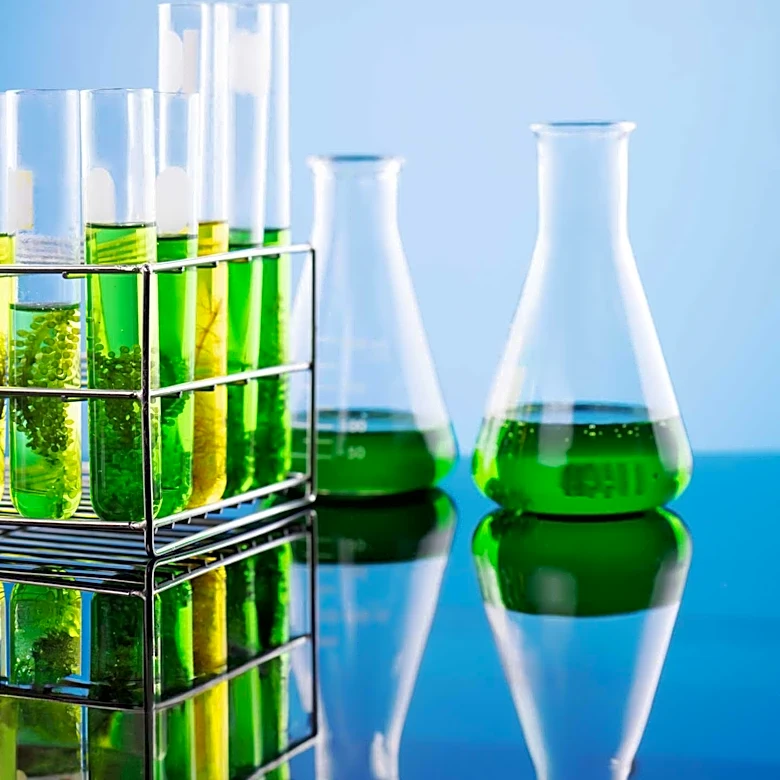
polyethylene terephthalate (PET) plastic and agricultural biomass into proteins, fats, and flavorings. The PET plastic is first broken down into carbon-rich molecules using an oxidative hydrothermal dissolution process, which involves water and oxygen at high temperature and pressure. These molecules are then fed to genetically programmed yeasts, which transform them into new biological molecules. The resulting mixture is combined with fiber, starch, and sweeteners, and then extruded through a 3D printer to form 'µBites' (microbites). While taste tests are pending institutional approval, the cookies have received high marks for aroma. This research is part of NASA's Deep Space Food Challenge, aiming to create sustainable food sources for astronauts on long-duration space missions and for use in extreme environments on Earth.
Why It's Important?
This development holds significant importance for the U.S. in addressing both food security and plastic pollution. The ability to convert waste materials into edible food could provide a sustainable solution for feeding populations in disaster zones, remote areas, or during emergencies, reducing reliance on traditional food supply chains. For the U.S. space program, it offers a critical advancement in sustaining astronauts on extended missions, such as to Mars, where resource limitations are extreme. Economically, scaling up this technology could create new industries focused on waste valorization and alternative food production, potentially generating jobs and fostering innovation. Furthermore, by upcycling plastic waste, this technology offers a novel approach to tackling the growing environmental crisis of plastic pollution, which has widespread ecological and health implications across the U.S. and globally. It presents a dual solution to two pressing global challenges.
What's Next?
The SIU Carbondale team is awaiting institutional approval to conduct taste tests for the µBites. Future plans include optimizing the yeast's efficiency and scaling up production to reduce the current cost of $60 per kilogram. The scientists also aim to produce all main ingredients, including starch, fiber, and sweeteners, using microbes. They anticipate the product could be ready for public consumption within a few years. Beyond space travel, the technology is being explored for applications in extreme environments on Earth, such as submarines or disaster zones, and potentially as a mainstream ecological solution to food production and plastic waste. Continued research will focus on enhancing the nutritional profile, palatability, and cost-effectiveness of these plastic-derived foods.
Beyond the Headlines
This research pushes the boundaries of what is considered 'food' and challenges societal perceptions of food sources. The concept of consuming plastic-derived food, even if scientifically proven safe and nutritious, may face cultural and psychological barriers to widespread acceptance. It raises ethical questions about the future of food production and the extent to which humans are willing to embrace highly engineered food solutions. Moreover, the project highlights the ingenuity required to address resource scarcity in extreme environments, whether in space or on a resource-constrained Earth. It underscores the potential of biotechnology and microbial engineering to transform waste into valuable commodities, fostering a more circular and resilient economy. This innovation could also spark broader discussions about the role of synthetic biology in addressing global challenges and the need for public education and engagement to ensure responsible technological adoption.