

What's Happening?
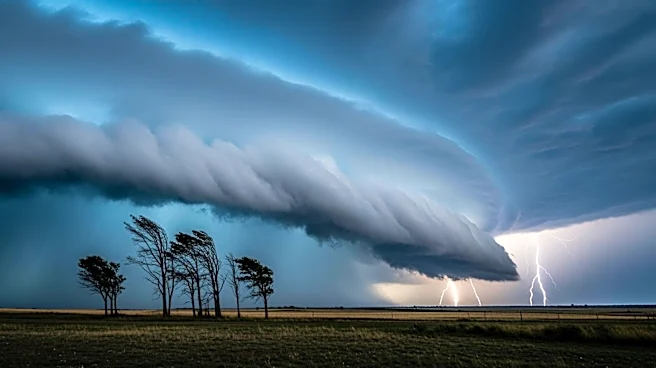
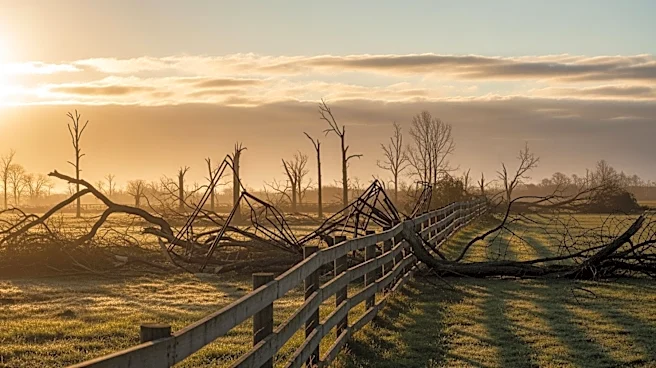
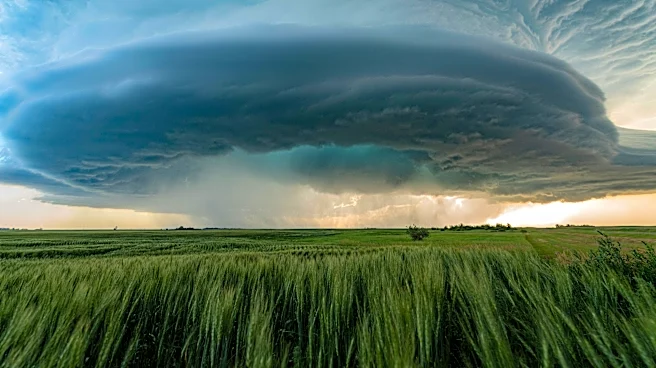
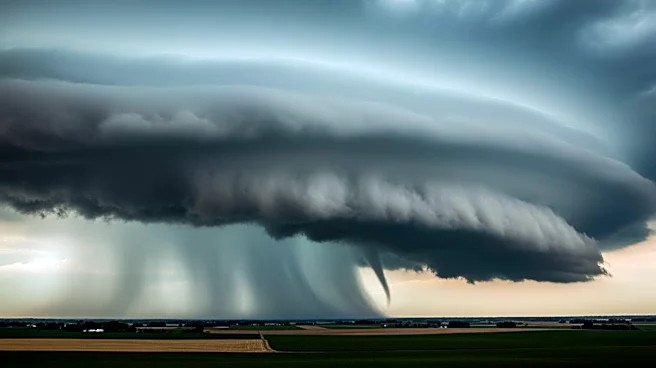
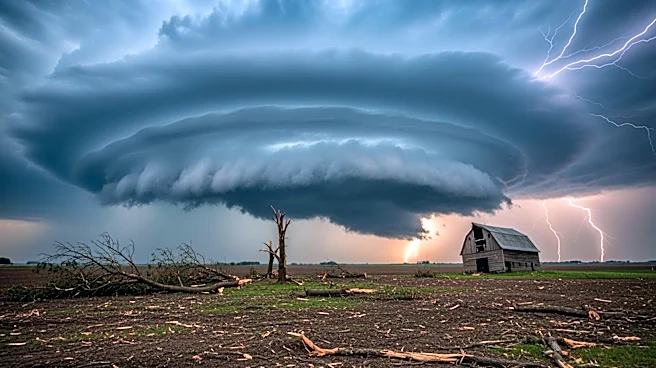
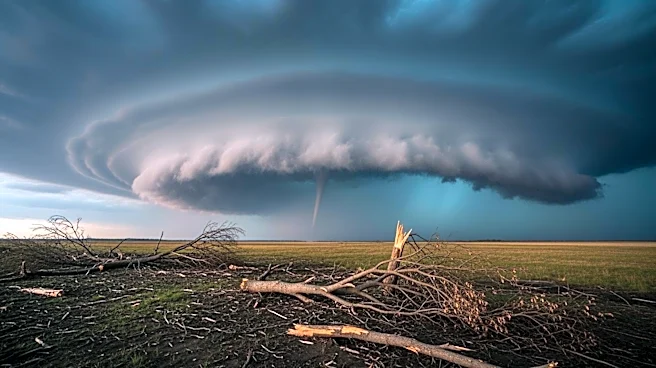
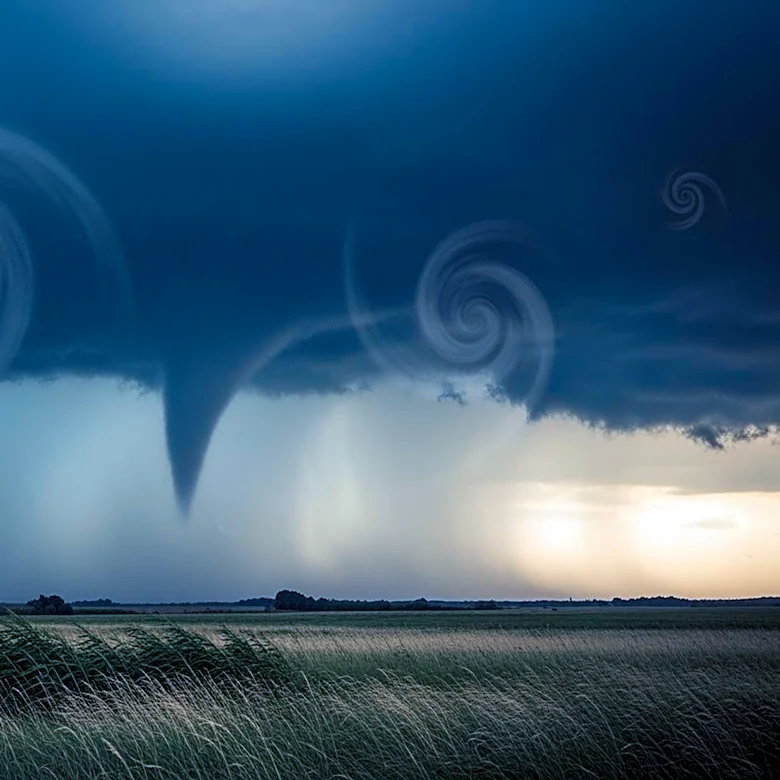
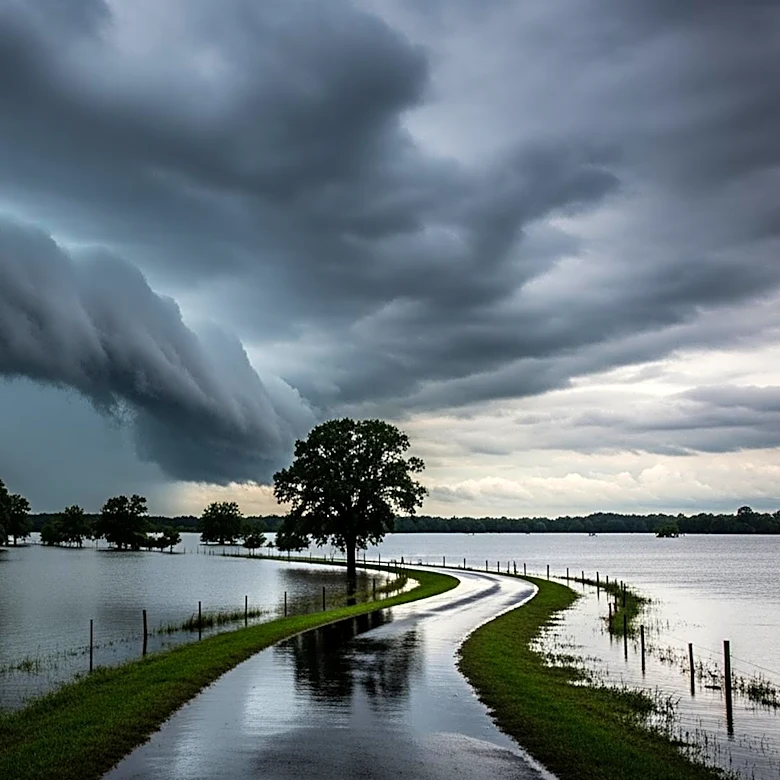
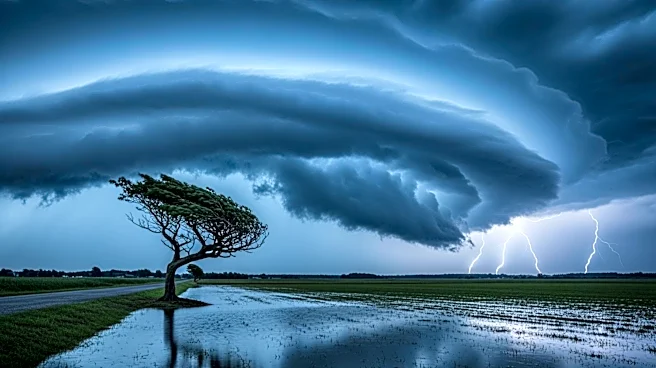
A series of powerful storms, including reported tornadoes, swept through the Midwest on April 17, 2026, causing significant damage across Illinois, Wisconsin, and Minnesota. The storms uprooted trees, tore off roofs, and left rural roads impassable with
debris. Despite the extensive damage, no fatalities were reported. In Lena, Illinois, the storm caused significant structural damage, including to a local high school where students experienced panic as the building shook and lost power. In Wisconsin, the cities of Kronenwetter and Ringle were hit hard, with homes damaged and residents temporarily trapped in basements. Minnesota's Olmsted County also reported multiple levels of damage, with at least 30 homes affected. Local officials and emergency services are working to assess the damage and assist affected residents.
Why It's Important?
The impact of these storms highlights the vulnerability of rural communities to severe weather events. The lack of fatalities is a relief, but the extensive property damage underscores the need for robust emergency preparedness and response strategies. The storms have disrupted daily life, with power outages and blocked roads complicating recovery efforts. The collaboration between local authorities and organizations like the Community Foundation of North Central Wisconsin and United Way of Marathon County is crucial in providing immediate relief and support to those affected. This event also serves as a reminder of the increasing frequency and intensity of severe weather patterns, potentially linked to broader climate change trends, which could have long-term implications for infrastructure resilience and community safety.
What's Next?
In the coming days, the National Weather Service will conduct surveys to confirm the presence and strength of the tornadoes. Local authorities will continue to assess the damage and coordinate recovery efforts. Power restoration and debris clearance are immediate priorities, with utility companies and community volunteers playing key roles. Long-term recovery will involve rebuilding damaged structures and providing financial and emotional support to affected residents. The event may prompt discussions on improving building codes and emergency response plans to better withstand future storms. Additionally, there may be increased advocacy for climate change mitigation efforts to address the root causes of such extreme weather events.