



What's Happening?
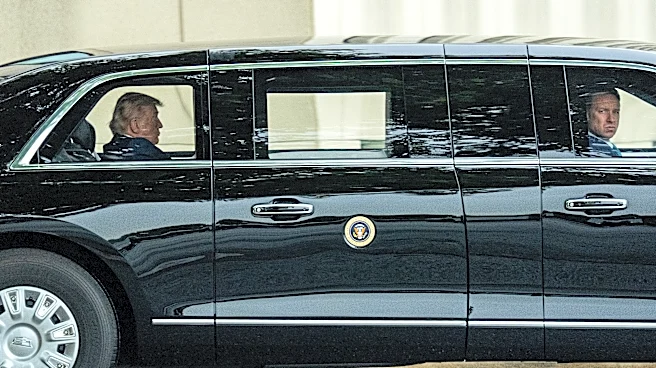
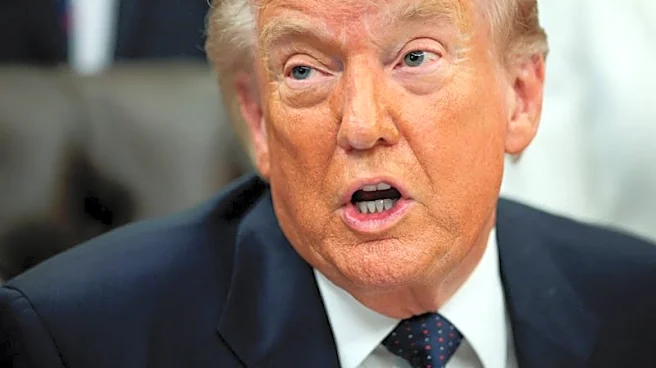
The use of aggressive political language by President Trump has been a central feature of his public persona, often portraying opponents as enemies and political battles as existential threats. This rhetoric has come under scrutiny following multiple
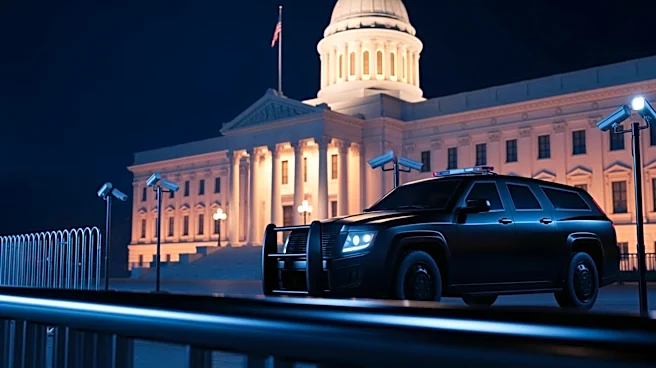
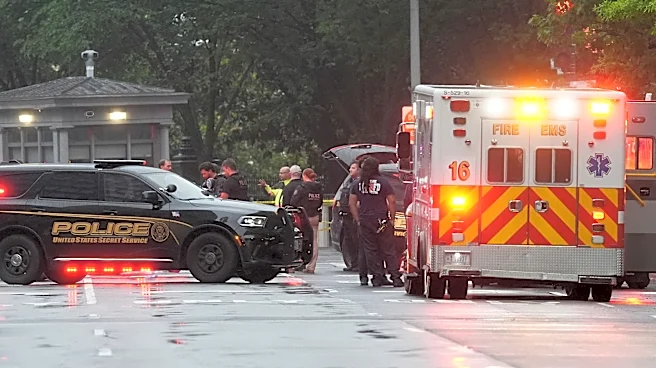
assassination attempts against Trump and a broader rise in threats against public officials. A recent incident involved a 21-year-old man, Nasire Best, who was shot by Secret Service officers near a White House security checkpoint. This event, along with others, has sparked debate among scholars about whether incendiary rhetoric from political leaders increases the likelihood of real-world violence. Critics argue that Trump's combative language contributes to a volatile political climate, while his defenders claim that Democrats and the media unfairly blame him for political violence.
Why It's Important?
The examination of President Trump's rhetoric is significant as it highlights the potential impact of political language on societal violence. The debate underscores the responsibility of political leaders in shaping public discourse and the potential consequences of their words. The rise in threats against public officials and the incidents targeting Trump suggest a growing polarization and volatility in U.S. politics. This situation poses challenges for maintaining civil discourse and ensuring the safety of political figures. The discussion also reflects broader concerns about the role of media and political opponents in framing narratives around political violence.
What's Next?
Future discussions are likely to focus on the balance between free speech and the responsibility of political leaders to avoid inciting violence. There may be calls for more measured rhetoric from all political sides to reduce tensions. The ongoing scrutiny of political language could lead to increased efforts to hold leaders accountable for their words. Additionally, security measures around political figures may be reassessed to address the heightened threat environment. The debate may also influence public opinion and voter behavior in upcoming elections, as citizens consider the implications of political rhetoric on national unity and safety.
Beyond the Headlines
The issue of political rhetoric and violence raises ethical questions about the limits of free speech and the role of leaders in fostering a healthy democratic environment. It also highlights the cultural shifts in political communication, where aggressive language has become more normalized. The long-term implications could include changes in how political campaigns are conducted and how political figures engage with the public. The situation may also prompt a reevaluation of media practices in covering political figures and the potential amplification of divisive rhetoric.