





What's Happening?
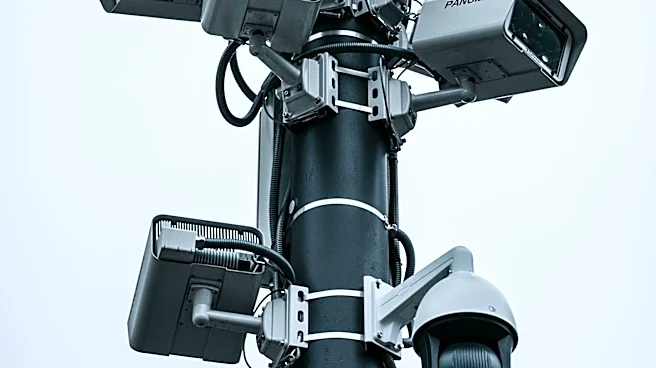
The Syracuse Police Department has activated 14 of its 26 new Axon license plate readers, with the remaining units to be installed soon. This move has sparked controversy, with state legislator Pam Hunter criticizing the system as a 'constant, warrantless
surveillance system.' The department has published a policy and transparency portal for the automatic license plate readers (ALPR), fulfilling a promise made years ago. However, privacy advocates argue that the system infringes on constitutional rights by creating a database of individuals' movements.
Why It's Important?
The deployment of Axon license plate readers in Syracuse raises significant privacy and civil liberties concerns. The technology's ability to track and store data on individuals' movements without warrants challenges Fourth Amendment protections against unreasonable searches. This development highlights the broader debate over the balance between public safety and individual privacy rights. The outcome of this debate could influence future legislation and the use of surveillance technology across the U.S.
What's Next?
As the debate over license plate readers continues, Syracuse officials may face legal challenges and increased public scrutiny. State legislator Pam Hunter's proposed legislation to limit the use of ALPR data to felony investigations could gain traction. The city may also need to address community concerns and ensure that the technology is used responsibly and transparently. The situation in Syracuse could serve as a precedent for other cities considering similar surveillance technologies.