







What's Happening?
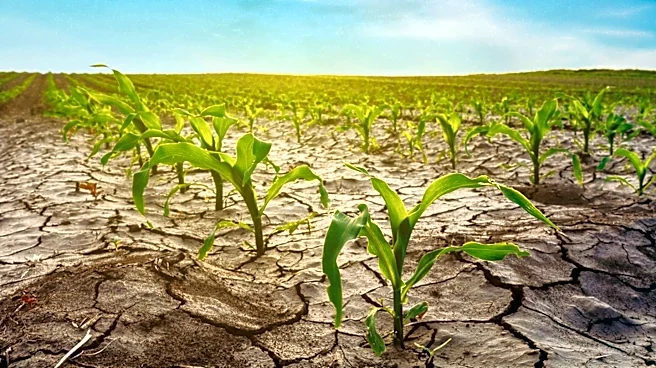
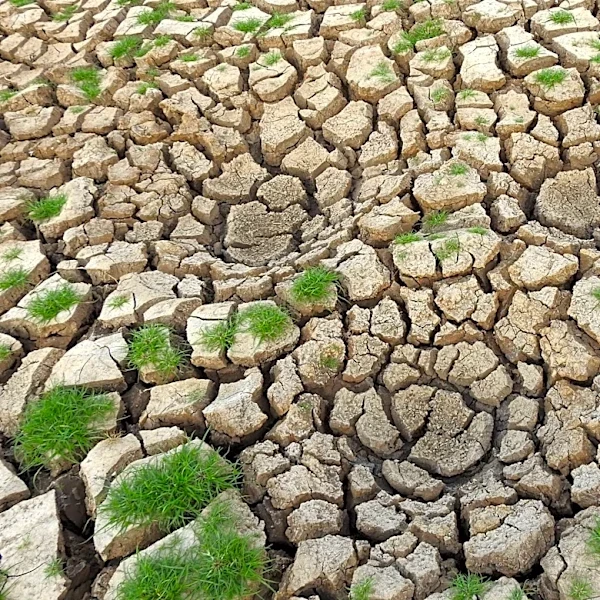
The World Meteorological Organization has predicted a strong El Niño event in the tropical Pacific, expected to occur between July and September. This climate pattern is associated with extreme weather, including higher temperatures, drought, and heavy
rainfall. These conditions are already affecting Europe, which is experiencing a persistent heatwave. The extreme weather is impacting commodity markets, with strategists warning of disruptions across asset classes.
Why It's Important?
The anticipated 'Super El Niño' could have significant economic implications, particularly for commodity markets. Extreme weather events can disrupt agricultural production, energy supply, and transportation, leading to volatility in commodity prices. Investors and businesses may need to adjust their strategies to mitigate risks associated with climate volatility. The situation highlights the broader impact of climate change on global markets and the need for adaptive measures.
Beyond the Headlines
The potential for a 'Super El Niño' underscores the importance of understanding and preparing for climate-related risks. As extreme weather events become more frequent, industries and governments may need to invest in resilience and adaptation strategies. The situation also raises questions about the role of climate change in exacerbating weather patterns and the need for international cooperation to address these challenges.