






What's Happening?
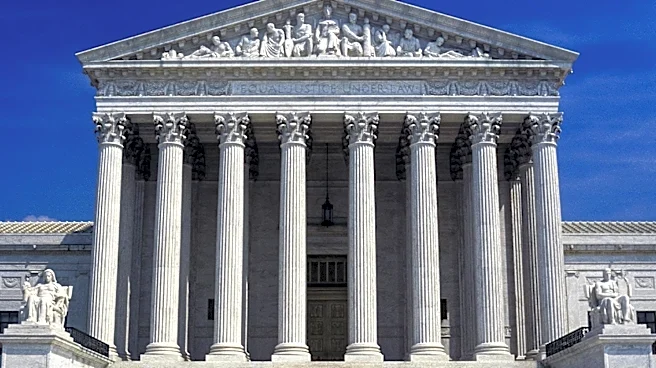
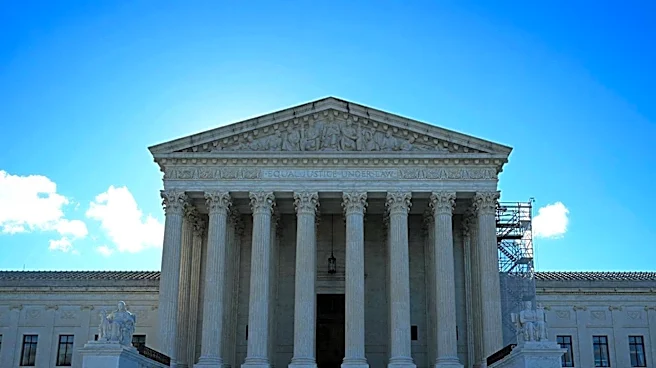
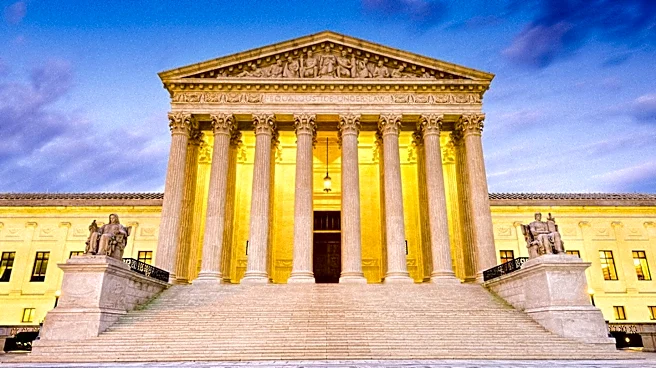
The U.S. Supreme Court has agreed to hear a case involving Alaska pilot Kenneth Jouppi, whose $95,000 Cessna aircraft was seized by the state after authorities found beer on board, intended for a dry village. The case centers on the Eighth Amendment's
prohibition of 'excessive fines.' Jouppi argues that the seizure is disproportionate to the offense, as he claims he was unaware of the alcohol, which belonged to a passenger. Alaska maintains that the forfeiture is justified due to the role aircraft play in transporting alcohol to dry communities. The case has drawn attention from property-rights advocates and civil libertarians, as it could set a precedent for how courts evaluate the proportionality of fines and forfeitures.
Why It's Important?
This case is significant as it addresses the balance between state enforcement of local laws and constitutional protections against excessive fines. The outcome could impact how states enforce laws in remote areas and influence future legal interpretations of the Eighth Amendment. A ruling in favor of Jouppi might limit states' ability to impose severe penalties for minor infractions, potentially affecting law enforcement strategies in similar cases. Conversely, a decision supporting Alaska could reinforce states' rights to enforce local laws, particularly in unique geographical contexts like Alaska's dry villages.
What's Next?
The Supreme Court is expected to hear arguments in its next term, beginning in October, with a decision likely by the following summer. The ruling could provide new guidelines on evaluating excessive fines and the weight of state policy goals in such assessments. Stakeholders, including property-rights organizations and civil-liberties advocates, will be closely monitoring the case, as it could influence broader legal standards and enforcement practices across the U.S.