


What's Happening?
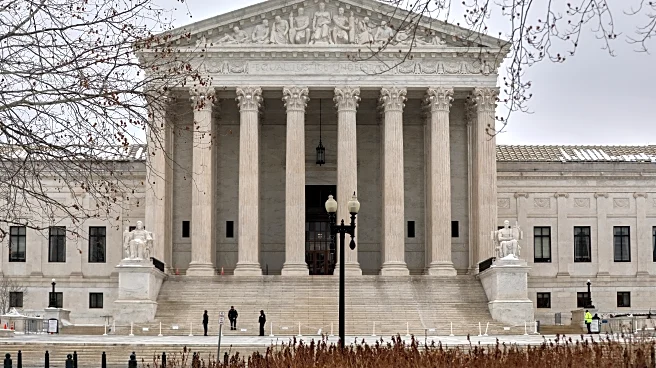
President Donald Trump is set to make an unprecedented visit to the Supreme Court to attend oral arguments regarding his administration's policy on birthright citizenship. This marks the first time a sitting president has attended a Supreme Court argument.
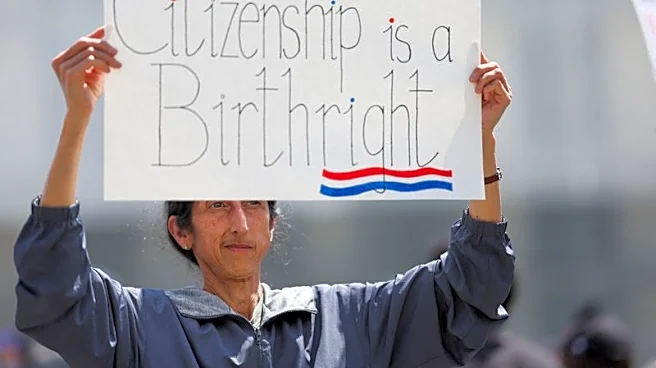
The case in question involves the administration's attempt to restrict automatic citizenship for children born in the U.S. Under the proposed policy, approximately 255,000 children born annually on U.S. soil would not automatically receive citizenship, affecting about 6% of all projected births. The Supreme Court's decision on this matter could have significant implications for immigration policy and the interpretation of the 14th Amendment.
Why It's Important?
The outcome of this Supreme Court case could redefine the parameters of birthright citizenship in the United States, potentially altering the lives of hundreds of thousands of children born in the country each year. If the court sides with the Trump administration, it could set a precedent for more restrictive immigration policies and influence future legislative and judicial actions regarding citizenship rights. This case also highlights the ongoing debate over immigration policy in the U.S., a contentious issue that affects political discourse, social dynamics, and the nation's demographic landscape.
What's Next?
The Supreme Court's decision will be closely watched by political leaders, immigration advocates, and civil rights organizations. Depending on the ruling, there could be significant political and legal responses, including potential legislative efforts to address or counteract the court's decision. The case may also influence public opinion and become a focal point in upcoming elections, as candidates and parties position themselves on immigration issues.