





What's Happening?
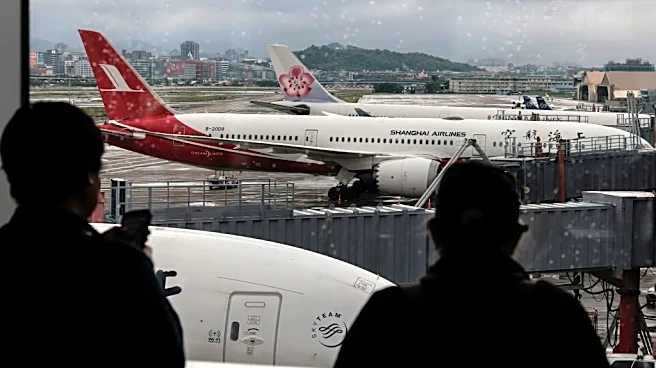
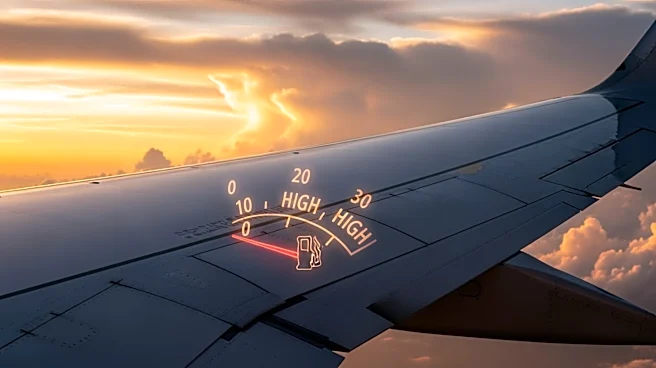
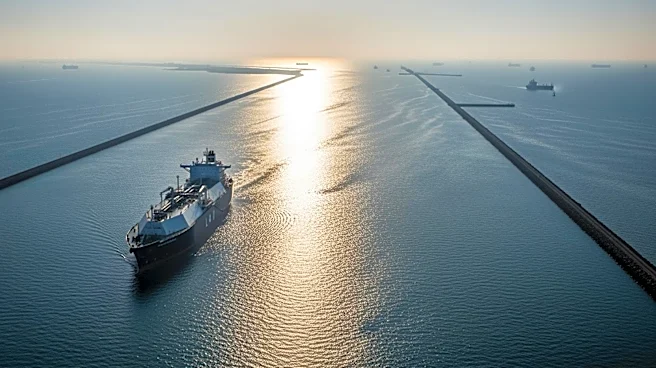
The European airline industry is facing a potential crisis due to the closure of the Strait of Hormuz, a critical passage for aviation fuel imports. The Airports Council International (ACI) Europe has expressed concerns that if the strait remains closed,
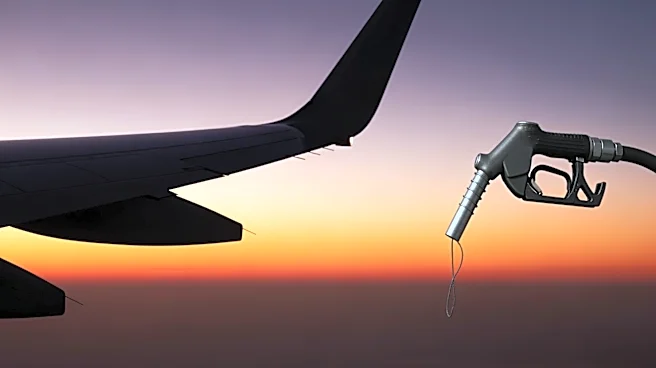
Europe could experience significant jet fuel shortages within three weeks. The Persian Gulf, which supplies about 50% of Europe's aviation fuel, is crucial for maintaining the continent's air travel operations. The situation is particularly dire for smaller airports, which are already struggling with viability issues.
Why It's Important?
The potential fuel shortage poses a significant threat to the European economy, which heavily relies on air travel. The aviation sector contributes approximately €851 billion to the GDP and supports 14 million jobs across Europe. A disruption in fuel supply could lead to reduced flight operations, increased passenger charges, and economic instability in regions dependent on tourism and air connectivity. The situation underscores the vulnerability of global supply chains and the need for diversified energy sources.
What's Next?
If the Strait of Hormuz remains closed, European airlines may need to explore alternative fuel sources or routes to mitigate the impact. This could involve increased collaboration with other regions or investments in sustainable aviation fuels. Additionally, the European Union may engage in diplomatic efforts to resolve the geopolitical tensions affecting the strait. The situation also highlights the importance of developing contingency plans for critical supply chain disruptions.
Beyond the Headlines
The crisis highlights the broader geopolitical implications of energy dependency and the strategic importance of the Strait of Hormuz. It raises questions about the resilience of global trade routes and the need for international cooperation to ensure energy security. The situation may also accelerate the push towards renewable energy sources and innovations in aviation technology to reduce reliance on traditional fuel imports.