



What's Happening?
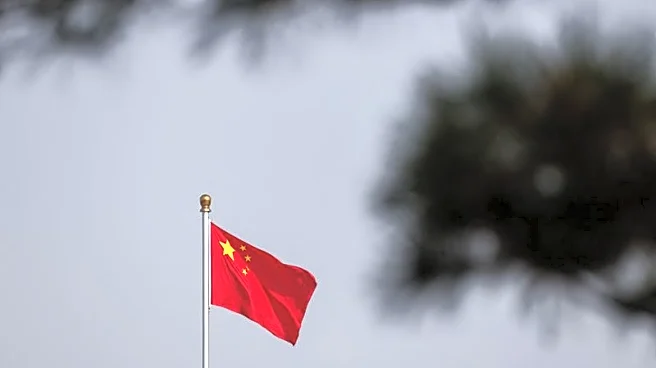
China has issued a warning to the European Union regarding its 'Made in Europe' plan, which aims to bolster EU industries against Chinese competition. The plan, unveiled in March, requires companies seeking public funds in sectors like cars, green technology,
and steel to meet local content thresholds. Beijing's commerce ministry expressed 'serious concerns' about the plan, labeling it as 'systemic discrimination' against Chinese companies. The EU's proposal is part of a broader strategy to regain competitive edge and prevent industrial decline. In response, China has threatened to take countermeasures if the legislation is enacted, aiming to protect the interests of its enterprises.
Why It's Important?
The EU's 'Made in Europe' plan represents a significant shift towards protectionism, potentially affecting trade relations between the EU and China. By imposing local content requirements, the EU seeks to reduce dependency on Chinese imports and support domestic industries. This move could lead to increased tensions between the two economic powers, as China views the plan as a threat to its companies' access to the European market. The outcome of this dispute could have far-reaching implications for global trade dynamics, particularly in strategic sectors like green technology and automotive manufacturing.
What's Next?
If the EU proceeds with the legislation, China is likely to implement countermeasures to safeguard its economic interests. This could involve imposing restrictions on European companies operating in China or seeking alternative markets for its exports. The situation may also prompt further negotiations between the EU and China to find a mutually acceptable solution. Additionally, European businesses may need to reassess their supply chains and partnerships to comply with the new regulations, potentially leading to increased costs and operational challenges.