

What's Happening?
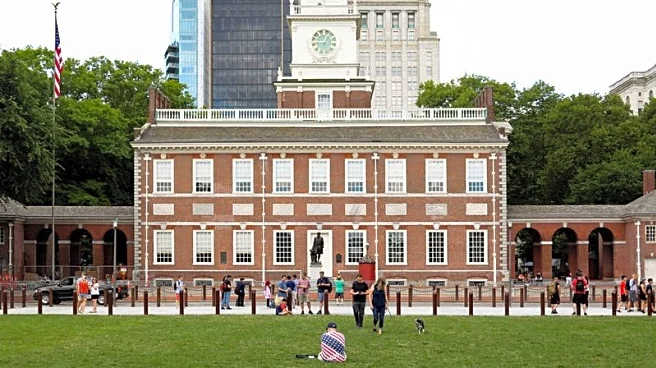
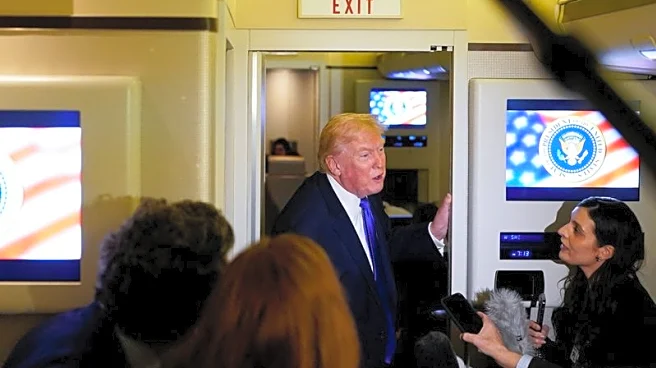
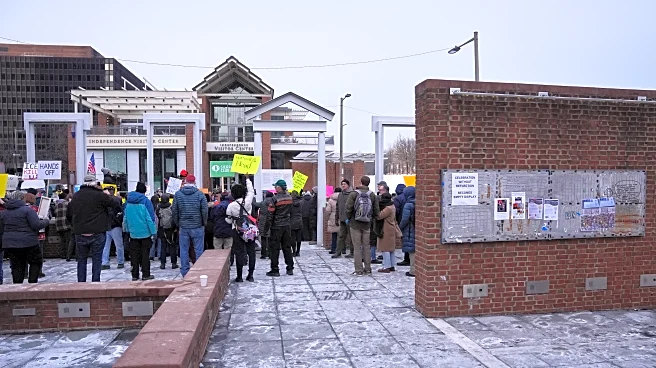
A federal judge in Pennsylvania has mandated the Trump administration to reinstate displays discussing slavery at a historical site in Philadelphia. This decision follows the removal of these exhibits under President Trump's Executive Order 14253, which
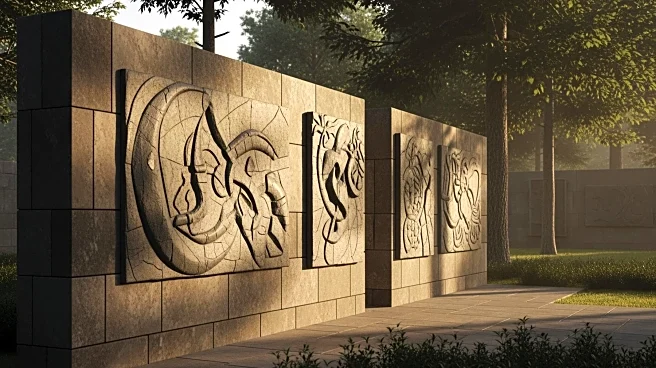
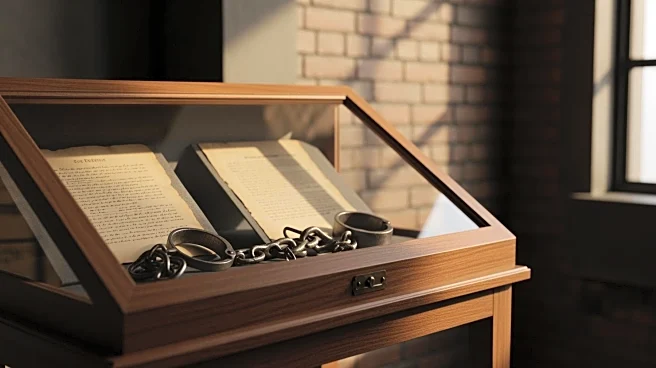
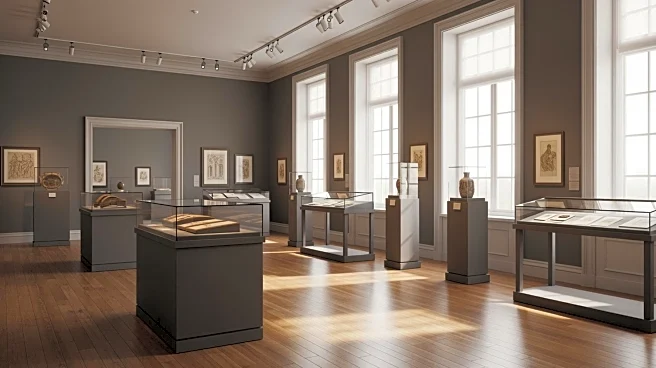
aimed to eliminate 'divisive narratives' from national sites. The exhibits, part of the President's House Site at Independence National Historical Park, include educational panels and videos about the history of slavery, including stories like that of Oney Judge, an enslaved woman who escaped to freedom. The judge, Cynthia M. Rufe, criticized the administration's actions, likening them to Orwellian government control, and emphasized the importance of these exhibits as memorials to enslaved individuals.
Why It's Important?
The ruling underscores the ongoing debate over how American history, particularly its more contentious aspects, should be presented in public spaces. The decision challenges the Trump administration's approach to historical narratives, which some argue attempts to sanitize or erase uncomfortable truths about the nation's past. This case highlights the tension between federal authority and local historical preservation efforts, and it may set a precedent for how similar cases are handled in the future. The outcome is significant for educators, historians, and civil rights advocates who argue for a comprehensive and honest portrayal of history.
What's Next?
The immediate reinstatement of the exhibits is required, but the broader legal battle over the executive order and its implications for historical sites across the country is likely to continue. The case may prompt further legal challenges from other cities and states affected by similar removals. Additionally, the ruling could influence future administrations' policies on historical preservation and the presentation of contentious historical narratives.