






What's Happening?
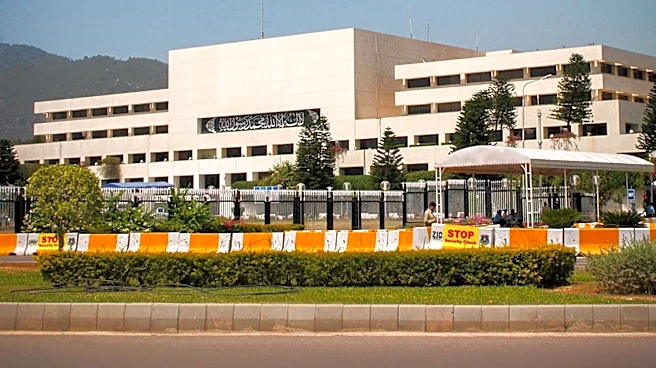
The Asian Development Bank (ADB) has approved a contingent disaster financing package of up to $500 million for Pakistan. This financial safety net is designed to enable Pakistan to respond more rapidly to natural disasters such as floods and earthquakes.
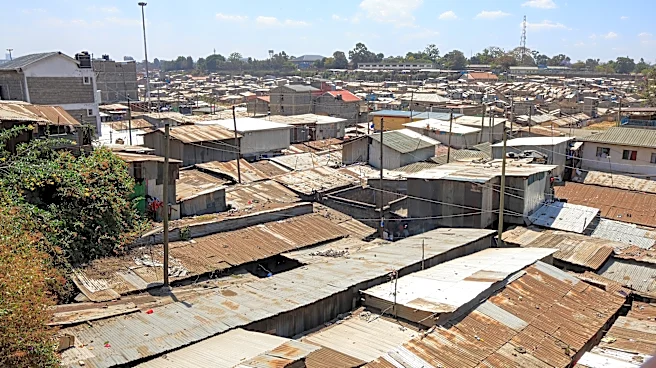
The funding aims to provide prompt budget support following qualifying events, thereby mitigating the economic and fiscal pressures that typically follow major emergencies. This approval falls under the second subprogramme of the Climate and Disaster Resilience Enhancement Programme, which supports policy reforms to strengthen disaster preparedness and risk management. The initiative also seeks to integrate climate and disaster resilience into Pakistan’s development planning and investment decisions. According to the ADB, Pakistan faces estimated annual losses of approximately $2 billion from various disasters, with the 2022 floods alone causing $14.9 billion in direct damage and an additional $15.2 billion in economic losses, pushing 9.1 million people into poverty. The ADB emphasizes that poor and rural communities, particularly women and girls, are disproportionately affected and have less capacity to recover from such events.
Why It's Important?
This $500 million disaster safety net is crucial for Pakistan, a country highly vulnerable to climate change impacts, as it addresses critical gaps in disaster preparedness and response. The financing will help Pakistan implement essential reforms for a more resilient future, aligning with the country’s disaster risk management priorities and the ADB’s broader commitment to resilience across Asia and the Pacific. Faster access to funds post-disaster can significantly aid authorities in supporting affected populations and safeguarding essential public spending during recovery efforts. However, the effectiveness of this financing is contingent on addressing persistent governance failures and weak community-level systems, which have historically hindered effective disaster response, as highlighted by a report from the Jinnah Institute. Delays in securing funding for initiatives like the Fourth National Flood Protection Plan underscore the systemic challenges that need to be overcome for the ADB's investment to yield its intended impact. The program also aims to strengthen Pakistan’s disaster risk financing framework, improving the availability of funds after emergencies and protecting lives and livelihoods.
What's Next?
The impact of the ADB's $500 million approval will depend on whether the supported policy reforms translate into stronger institutions, improved planning, and timely assistance for communities before and after disasters. While the financing provides a crucial safety net, Pakistan must address underlying issues such as governance failures and weak community-level systems to maximize its effectiveness. The initiative is expected to strengthen Pakistan’s disaster risk financing framework and enhance the availability of funds post-emergencies. Continued international support, as evidenced by this approval and a previous $500 million policy-based loan in 2024 for climate change and disaster risk reduction, signals a sustained commitment to Pakistan's resilience efforts. The focus will now be on the implementation of these reforms and the tangible improvements in disaster preparedness and response capabilities across the country.
Beyond the Headlines
The ADB's contingent disaster financing highlights a broader global recognition of the disproportionate impact of climate change on vulnerable nations, particularly those with limited resources. While financial aid is vital, the emphasis on policy reforms and embedding resilience into development planning points to a shift towards more sustainable and proactive disaster management strategies. The challenges faced by Pakistan, including governance issues and community-level weaknesses, are common in many developing countries. This initiative underscores the ethical imperative for international bodies to not only provide financial assistance but also to support systemic changes that build long-term resilience. The success of such programs could serve as a model for other climate-vulnerable regions, demonstrating how integrated financial and policy interventions can mitigate the human and economic costs of escalating climate-related disasters.