







What's Happening?
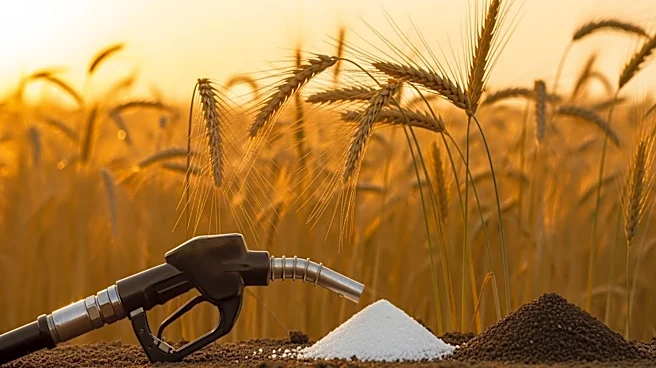
The Food and Agriculture Organization (FAO) reports that global cereal prices have reached a 19-month high, driven by increased fuel and fertilizer costs. The blockade of the Strait of Hormuz has disrupted fertilizer supplies, contributing to higher production
costs. The FAO's food index shows a 2.9% increase from the previous year, with cereals up 5%. The rise in cereal prices is compounded by weather-related pressures and geopolitical tensions, affecting global food security and market stability.
Why It's Important?
The surge in cereal prices poses challenges for global food security, particularly in regions dependent on imports. Higher production costs can lead to increased food prices, affecting affordability and access for vulnerable populations. The situation underscores the interconnectedness of global supply chains and the impact of geopolitical events on food markets. Policymakers and international organizations may need to address these challenges through coordinated efforts to stabilize markets and ensure food availability.