

What's Happening?
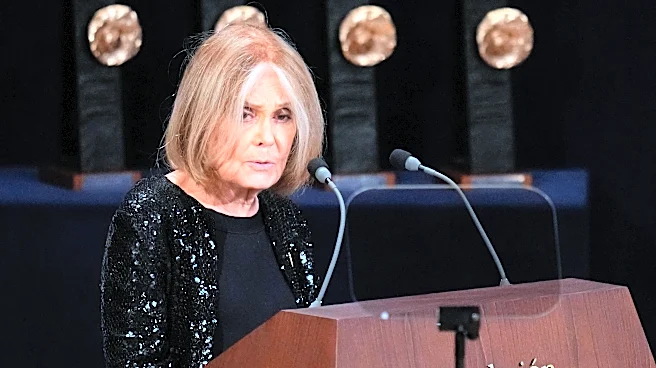
Robin Morgan, a prominent figure in second-wave feminism, a celebrated poet, essayist, and editor, has died at the age of 85. Her death was confirmed by the Women’s Media Center, an organization she co-founded with Jane Fonda and Gloria Steinem. Morgan, who
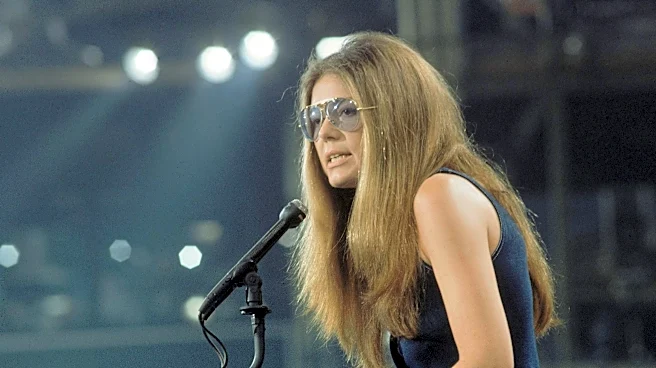
began her career as a child star in the 1940s and 50s, became a radical activist, embodying and inspiring significant changes in women's lives and thought during the 1960s and 70s. She was a central organizer of the 1968 Miss America pageant protest and edited the seminal 1970 essay anthology 'Sisterhood Is Powerful.' Morgan is also credited with coining the term 'herstory' and popularizing the clenched fist/female symbol icon of the liberation movement. Her extensive body of work includes over 20 books, and she served as editor-in-chief of Ms. magazine for several years.
Why It's Important?
Robin Morgan's passing marks the end of an era for one of the most influential voices in the modern women's movement. Her contributions as a writer, activist, and organizer profoundly shaped the discourse and direction of second-wave feminism, expanding upon the achievements of earlier suffragists. Her work, particularly 'Sisterhood Is Powerful,' remains a foundational text for understanding feminist thought and activism. Morgan's legacy extends beyond her writings; her direct actions, such as the Miss America protest, brought critical attention to issues of gender inequality and challenged societal norms. Her efforts helped to empower countless women and laid groundwork for ongoing struggles for gender equality, making her a pivotal figure in American social and cultural history.
What's Next?
While Robin Morgan's direct activism has concluded, her extensive body of work and the organizations she co-founded, such as the Women's Media Center, will continue to influence future generations. Her writings and poetry will remain essential resources for feminist studies and activism, ensuring her ideas and contributions persist. The Women's Media Center will likely continue its mission to support the visibility and decision-making power of women in media, carrying forward a part of Morgan's legacy. Her death may also prompt renewed discussions and reflections on the history and future of feminism, inspiring new analyses of her impact and the ongoing challenges women face globally.
Beyond the Headlines
Robin Morgan's life story, from child star to radical feminist, offers a compelling narrative of personal evolution intertwined with societal change. Her willingness to challenge both conservative and liberal establishments, as evidenced by her arrest during the Grove Press occupation and her critiques of male activists, highlights the complexities and internal debates within social movements. Her personal life, including her marriage to a gay poet and her resistance to labels regarding her sexuality, further underscores her commitment to challenging conventional norms and embracing a multifaceted identity. Morgan's journey reflects the broader cultural shifts of the 20th century, demonstrating how individual experiences can fuel profound social and political transformations, leaving a lasting impact on how society views gender, power, and identity.