






What's Happening?
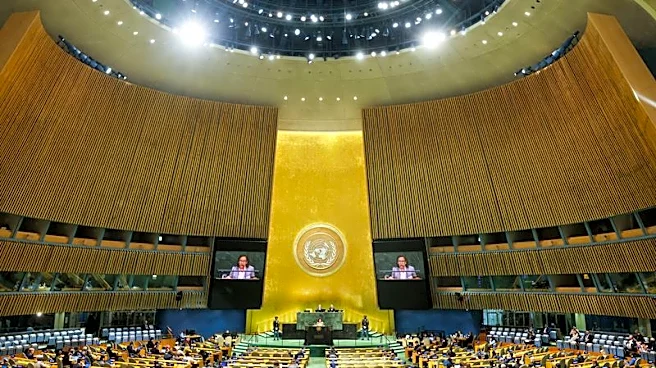
Nigeria has been designated for a 'humanitarian transition' by the Inter-Agency Standing Committee (IASC), a UN-led global humanitarian coordination body. This designation, part of a broader 'Humanitarian Reset' reform effort, means international support
for humanitarian coordination in Nigeria is set to gradually decrease over 2026-2027 and cease by the end of 2027. The transition aims to strengthen the role of the Nigerian government and civil society in coordinating and delivering humanitarian assistance, while phasing out international support. This comes at a time when Nigeria faces significant humanitarian needs, with 7.3 million people requiring assistance, particularly in the northeastern states, and warnings from organizations like the World Food Programme and UNICEF about potential worsening conditions. The decision to transition is partly driven by a severe financial crunch in global humanitarian funding, and Nigeria's significant natural resource base and relatively effective government institutions are cited as rationale.
Why It's Important?
This humanitarian transition presents a critical test for Nigeria and the international humanitarian community. The drawdown of international support, while intended to foster national ownership, carries considerable risks given the sustained high levels of humanitarian needs and ongoing insecurity from Islamist insurgencies. If not managed effectively, this shift could lead to a significant gap in aid delivery, potentially exacerbating the suffering of millions and undermining regional stability. The success of this transition will depend on the Nigerian government's political will, financial capacity, and institutional strength to absorb the increased responsibility. It also highlights the global challenge of balancing the need for localization in aid with the realities of funding constraints and complex humanitarian crises. The Nigerian experience will serve as a crucial case study for future humanitarian transitions worldwide, influencing how aid is coordinated and delivered in other vulnerable contexts.
What's Next?
The immediate future will involve intensive efforts to strengthen the financial, decision-making, and technical systems within the Nigerian government and civil society organizations to manage humanitarian operations. Joint transition planning between the government and the humanitarian community is already underway, with the Federal Ministry of Humanitarian Affairs and Poverty Reduction establishing new structures like the National Council on Humanitarian Affairs and Poverty Reduction. However, sustained political will, particularly beyond the 2027 elections, and consistent funding from federal and state legislatures will be crucial. International organizations are expected to maintain technical and managerial assistance beyond 2027, especially in areas with high humanitarian needs. The transition will also require careful management of the relationship between the government and NGOs, ensuring NGOs can maintain independence to deliver aid effectively in insecure areas and monitor threats to civilians.
Beyond the Headlines
The humanitarian transition in Nigeria delves into profound ethical and practical dilemmas within the global aid architecture. The decision to reduce international support, driven by financial pressures, forces a re-evaluation of the long-term sustainability of humanitarian interventions and the true meaning of 'national ownership.' It raises questions about whether a financially motivated exit strategy can genuinely accelerate institutional development without compromising the lives of those in need. Furthermore, the context of ongoing conflict and accusations against Nigerian forces regarding civilian protection complicates the role of independent NGOs, highlighting the delicate balance between partnership with the government and maintaining neutrality and impartiality. This transition is not just an administrative shift; it's a test of the international community's commitment to humanitarian principles and Nigeria's capacity to protect its most vulnerable citizens in the face of complex, multi-faceted crises.