

What's Happening?
The National Oceanic and Atmospheric Administration (NOAA) has announced the formation of a 'very strong' El Niño, which is expected to bring wetter conditions to the Southern United States. This climate pattern, which occurs every two to seven years,
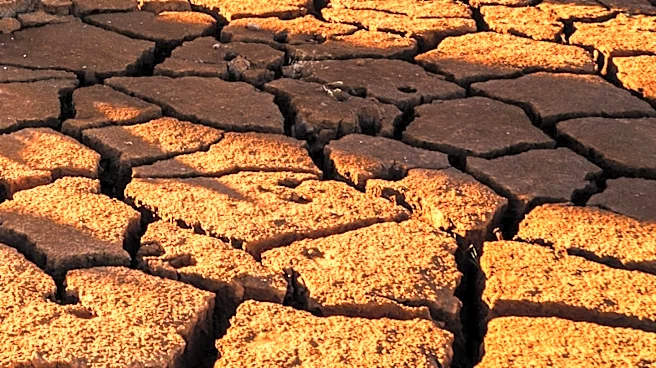
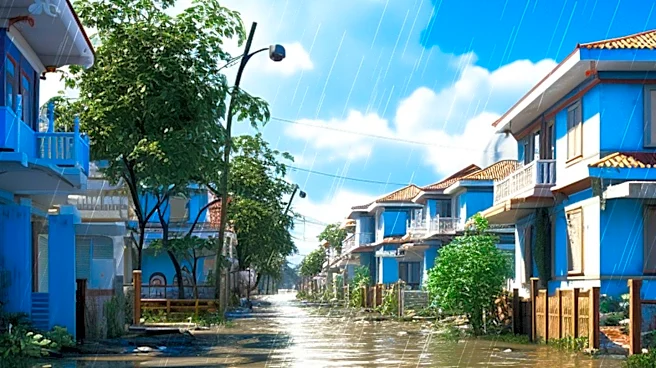
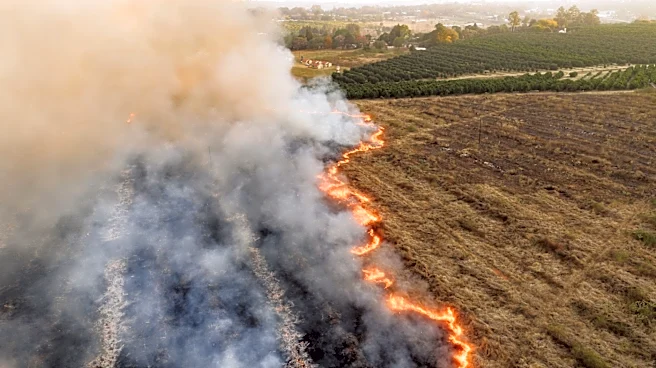
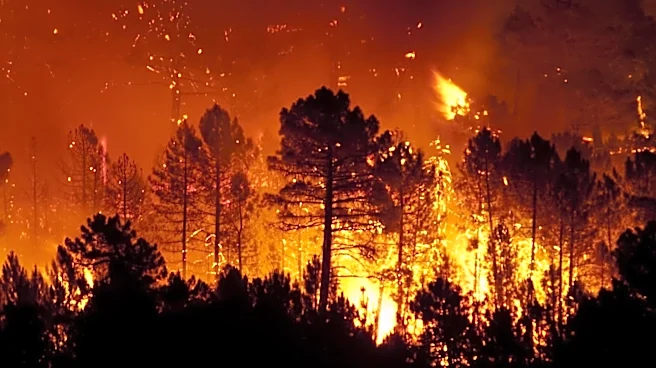
is characterized by the warming of Pacific Ocean waters, leading to increased rainfall in certain regions. While the current El Niño is not expected to immediately alleviate the ongoing wildfires in the Western U.S., NOAA researchers suggest that its effects could result in a milder wildfire season by next summer. The El Niño phenomenon typically brings storms and rain to the Southern U.S., potentially reducing wildfire risks by keeping vegetation moist. However, the Northern U.S. may experience drier and warmer conditions, which complicates the overall impact on wildfire activity.
Why It's Important?
The development of a strong El Niño is significant as it could influence weather patterns across the United States, particularly in regions prone to wildfires. The potential for increased rainfall in the Southern U.S. offers hope for reducing the severity of wildfires, which have been exacerbated by previous La Niña conditions that brought drier weather. This shift could benefit communities and ecosystems that have been affected by destructive fires. However, the impact is not uniform across the country, as Northern states might face increased fire risks due to drier conditions. Understanding these patterns is crucial for preparing and mitigating the effects of climate-related disasters.
What's Next?
While the immediate effects of El Niño may not be felt until next year, NOAA's predictions suggest that the Southern U.S. could see a wetter fall, winter, and spring, potentially leading to a less severe wildfire season in 2027. Researchers will continue to monitor the situation, analyzing how El Niño influences weather patterns and wildfire activity. Stakeholders, including government agencies and local communities, may need to adjust their preparedness and response strategies based on these forecasts. The variability and complexity of climate patterns underscore the need for ongoing research and adaptive management practices.
Beyond the Headlines
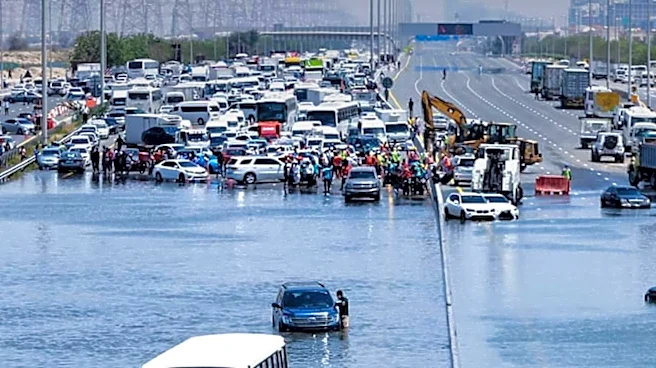
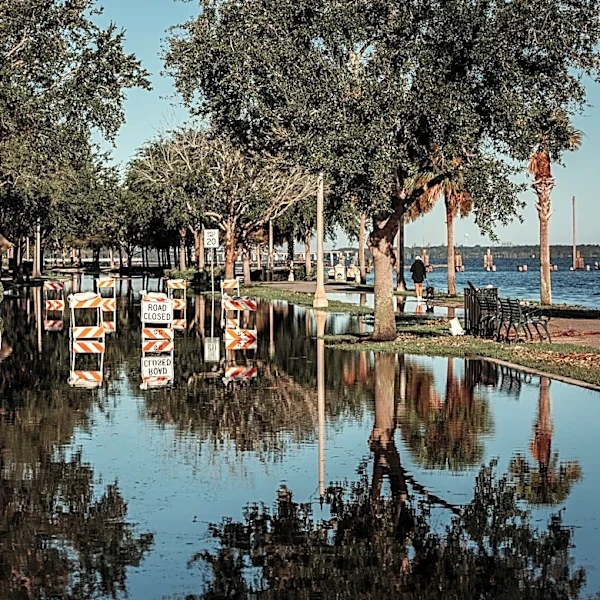
The interplay between El Niño and wildfire activity highlights the complex relationship between climate cycles and environmental impacts. While El Niño can bring beneficial rainfall to some areas, it also poses risks of flooding and landslides. Additionally, the variability in its effects across different regions underscores the challenges in predicting and managing natural disasters. This situation calls for a nuanced understanding of climate science and its implications for public policy and resource management. As climate change continues to influence weather patterns, the role of phenomena like El Niño in shaping environmental outcomes becomes increasingly important.