






What's Happening?
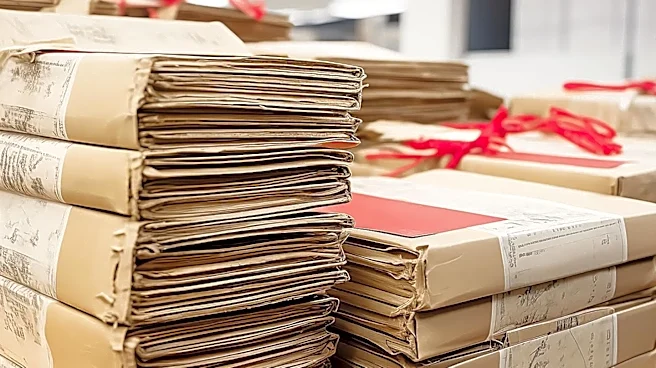
Horn And Thomes Funeral Home, a long-standing institution in Neenah, Wisconsin, provides a significant online database of obituaries that serves as a valuable resource for family historians and genealogists. The funeral home, which has been operating
for over 150 years, has digitized thousands of obituaries dating from the late 19th century to the present day. These records offer detailed information about individuals' lives, including their age, place of residence, occupation, and relationships with family members. Genealogists can utilize this database to uncover crucial details about their ancestors, such as funeral service arrangements, names of surviving family members (spouses, children, siblings), military service information, and personal interests or accomplishments. The obituaries not only provide factual data but also offer insights into the social and cultural contexts of the time periods in which the individuals lived, reflecting societal values and beliefs through the language and tone used.
Why It's Important?
The availability of Horn And Thomes Funeral Home's online obituary database is important for several reasons, particularly for individuals in the U.S. engaged in genealogical research. It democratizes access to historical records that might otherwise be difficult to obtain, enabling a broader segment of the population to connect with their heritage. For those with roots in Neenah, Wisconsin, this resource can be a cornerstone for constructing family trees and understanding ancestral narratives. Beyond individual family histories, these obituaries contribute to a richer understanding of local U.S. social history, illustrating shifts in community demographics, occupational trends, and cultural practices over more than a century. The thematic analysis of these records can reveal broader societal changes, such as evolving gender roles, patterns of immigration and assimilation, and the expression of racial and ethnic identities within the community. This digital archive supports academic research, local history preservation, and personal identity exploration, making historical data more accessible and interpretable.
What's Next?
Researchers planning to utilize the Horn And Thomes Funeral Home obituary database should begin by searching with keywords related to their ancestor's name and estimated dates of birth and death. The database's advanced search features can help refine results by criteria such as location or occupation. Once relevant obituaries are found, it is recommended to meticulously record the information and source the details for further research, potentially using spreadsheets or databases to organize findings. While the online database is extensive, researchers should be aware that some older or less common obituaries might not yet be digitized, potentially requiring in-person visits to the funeral home or other local archives. Additionally, users should approach the content with sensitivity, as obituaries may contain historically sensitive information regarding health or personal circumstances. Continued digitization efforts and community engagement could further enhance the completeness and accessibility of such historical records.
Beyond the Headlines
The Horn And Thomes Funeral Home obituary collection transcends simple factual records, offering a profound lens into the human experience and societal evolution in the U.S. The language used in obituaries, for instance, can reflect changing religious beliefs, moving from phrases like 'left this life' in earlier periods to more secular terms such as 'passed away' in modern times. This linguistic shift highlights broader cultural transformations within American society regarding death and remembrance. Furthermore, these records can illuminate the roles of women, the challenges and successes of immigrant communities, and the nuances of racial and ethnic identities within Neenah, Wisconsin. By analyzing these themes, researchers can gain a deeper appreciation for the lived experiences of past generations and the forces that shaped their lives. The collection serves as a testament to the importance of local institutions in preserving collective memory and providing invaluable resources for understanding the intricate tapestry of American history and identity.