






What's Happening?
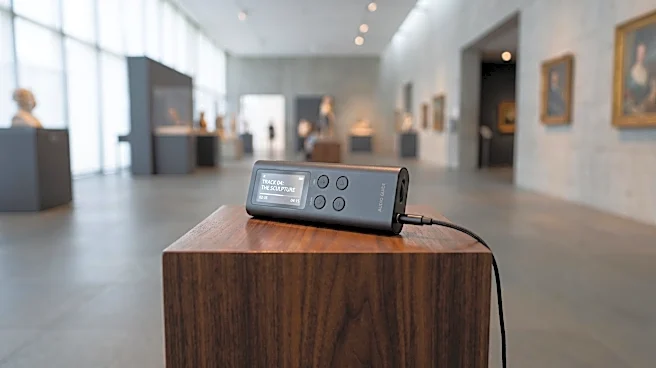
The Museum of the American Revolution in Philadelphia has added Ukrainian as the seventh language for its audio guide for 'The Declaration's Journey' exhibition. This addition comes during the final two months of the exhibition, which explores how the Declaration of Independence
has inspired global revolutionary movements. The exhibition, which opened in October 2025, initially offered audio guides in English, Spanish, French, Italian, Brazilian Portuguese, and Mandarin Chinese. The inclusion of Ukrainian is part of an initiative launched in 2019 by Ukraine's First Lady Olena Zelenska, aimed at making Ukrainian language materials available in museums worldwide. Zelenska stated that the goal is to ensure Ukrainians can access important information in their native language, promoting Ukrainian on par with other global languages. The Museum of the American Revolution is the only institution in the Philadelphia region to join this international program, which now includes over 135 museums in 59 countries. The museum's director of collections and exhibitions, Matthew Skic, noted the significant Ukrainian American population in Philadelphia as a key reason for expanding accessibility.
Why It's Important?
This initiative is significant for several reasons, primarily enhancing cultural accessibility and recognition for the Ukrainian diaspora in the United States. Philadelphia hosts the second-largest population of people of Ukrainian heritage in the U.S., with approximately 11,000 Ukrainian immigrants and another 50,000 individuals with Ukrainian backgrounds. By offering a Ukrainian audio tour, the museum directly serves this substantial community, allowing them to engage with American history in their native language. This move also underscores the broader effort to promote linguistic diversity and inclusivity within cultural institutions. For Ukrainian immigrants and those of Ukrainian descent, it provides a meaningful connection to both their heritage and the historical narratives of their adopted country. Furthermore, it highlights the global impact of American historical documents like the Declaration of Independence, demonstrating how its themes of liberty and self-determination resonate across different cultures and languages, particularly in the context of Ukraine's ongoing struggles.
What's Next?
The Ukrainian audio tour will be available for the remainder of 'The Declaration's Journey' exhibition. While the Ukrainian audio tour is not currently available for the museum's core exhibition, which is offered in English, Spanish, and French, its success with this temporary exhibit could potentially influence future decisions regarding language accessibility for permanent collections. The ongoing expansion of First Lady Olena Zelenska's initiative suggests that more U.S. museums may consider adding Ukrainian language options, especially in areas with significant Ukrainian populations. This could lead to increased collaboration between Ukrainian cultural organizations and American museums, fostering greater cross-cultural understanding and accessibility. The Museum of the American Revolution will likely monitor the engagement with the Ukrainian audio tour to assess its impact and inform future accessibility strategies, potentially inspiring other institutions to follow suit in catering to diverse linguistic groups.
Beyond the Headlines
The addition of the Ukrainian audio tour extends beyond simple language access; it represents a powerful statement of solidarity and cultural affirmation. In the context of current geopolitical events, where Ukraine's sovereignty and cultural identity are under threat, providing such resources in a prominent American institution can be seen as an act of support. It validates the Ukrainian language and culture on an international stage, aligning with efforts to preserve and promote Ukrainian heritage globally. This initiative also subtly reinforces the universal themes of freedom and independence, drawing parallels between the American Revolution and contemporary struggles for self-determination. Ethically, it addresses the need for cultural institutions to be inclusive and responsive to the diverse populations they serve, ensuring that historical narratives are accessible and relevant to all community members, including recent immigrants and diaspora communities. This move could also encourage broader discussions within the museum community about the role of language in fostering deeper engagement with historical content.