




What's Happening?
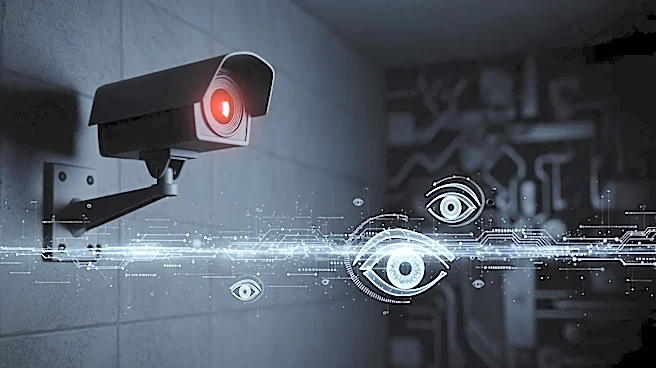
The U.S. Congress has unanimously approved a 10-day extension of the federal government's foreign spying authority under Section 702 of the Foreign Intelligence Surveillance Act (FISA). This decision comes after attempts to pass longer extensions failed
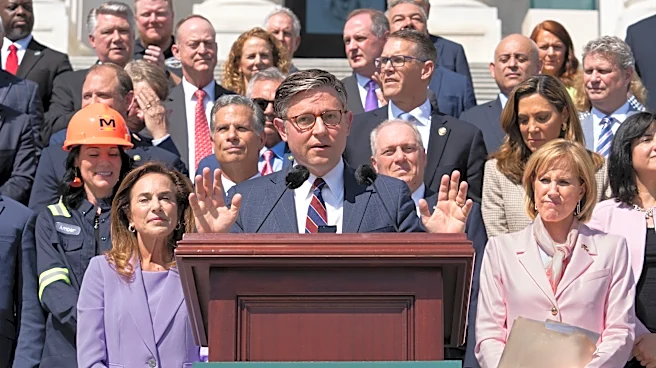
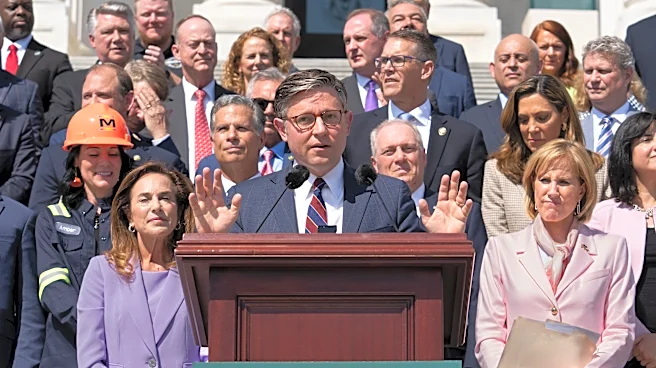
due to opposition from privacy-focused Republicans. The extension shifts the expiration date from April 20 to April 30. Section 702, which has been periodically renewed since its inception in 2008, allows the government to collect foreign intelligence information. However, it has faced criticism for enabling warrantless surveillance of American citizens. Speaker Mike Johnson acknowledged the complexity of the legislation and the need to balance national security with constitutional rights. Previous attempts to extend the powers for five years with revisions and for 18 months without changes were unsuccessful, with significant opposition from the conservative Freedom Caucus.
Why It's Important?
The extension of Section 702 is significant as it highlights the ongoing debate between national security and privacy rights in the U.S. The provision is considered a critical tool for intelligence agencies to protect against foreign threats, but it has also been criticized for potential overreach and infringement on Americans' privacy. The failure to pass longer extensions reflects the growing concern among lawmakers about the potential misuse of surveillance powers. This decision impacts both national security operations and the privacy rights of U.S. citizens, with implications for how intelligence is gathered and used. The outcome of this debate could influence future legislation on surveillance and privacy, affecting both government agencies and the public.
What's Next?
With the 10-day extension in place, Congress faces a tight deadline to address the concerns surrounding Section 702. Lawmakers must negotiate a longer-term solution that addresses privacy issues while maintaining national security capabilities. This may involve revising the legislation to include more stringent oversight and safeguards against misuse. The debate is likely to continue, with privacy advocates pushing for reforms and intelligence agencies emphasizing the necessity of these powers. The outcome will depend on the ability of Congress to find a compromise that satisfies both security and privacy concerns.