


What's Happening?
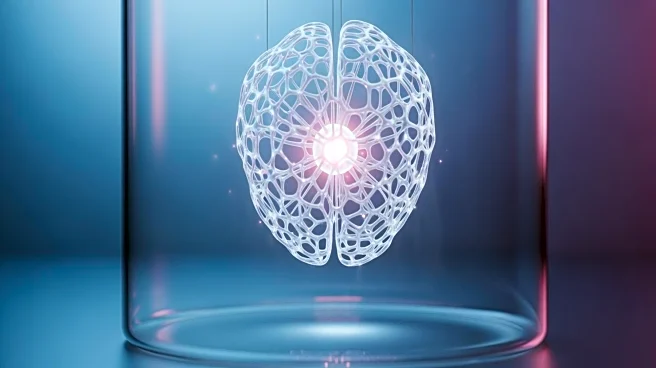
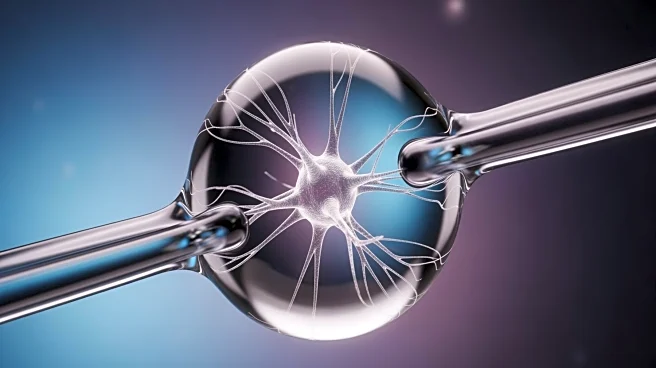
Research on brain organoids, which are clusters of human cells used to study conditions like autism and schizophrenia, is raising ethical concerns. These organoids model aspects of human brain development and have been used in experiments, such as transplanting
them into animal brains. A recent meeting in Northern California brought together scientists, ethicists, and patient advocates to discuss the ethical and societal implications of this research. Questions raised include whether organoids can feel pain or become conscious, and who should regulate this research. The meeting aimed to brainstorm ideas and establish guidelines for responsible use of organoids.
Why It's Important?
The use of brain organoids represents a significant advancement in neuroscience, offering potential insights into complex brain disorders. However, the ethical concerns surrounding their use highlight the need for careful consideration of the implications of such research. The ability to study human neurons and glial cells could lead to breakthroughs in understanding and treating neurological conditions, but it also poses questions about the moral and societal impact of manipulating human brain tissue. Establishing guidelines and maintaining public transparency are crucial to ensure ethical practices and prevent misuse.
What's Next?
The meeting at the Asilomar Conference Center marks the beginning of efforts to establish ethical guidelines for brain organoid research. Scientists and ethicists are expected to continue discussions on how to regulate this field, balancing the need for scientific progress with ethical considerations. Future steps may include developing formal guidelines and seeking government oversight to ensure responsible research practices. The scientific community is likely to focus on educating the public about the benefits and limitations of organoid research to address misconceptions and concerns.
Beyond the Headlines
The ethical debate surrounding brain organoids echoes past concerns about stem cell research, highlighting recurring issues in biotechnology. As organoid technology advances, it may challenge existing ethical frameworks and require new approaches to address potential risks. The integration of organoids into animal brains raises questions about the boundaries between human and animal cognition, and the potential for unintended consequences. Long-term, this research could influence societal views on consciousness and identity, prompting broader discussions about the nature of human cognition.