






What's Happening?
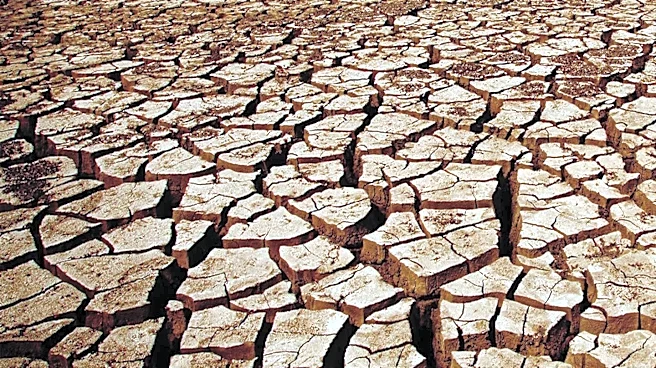
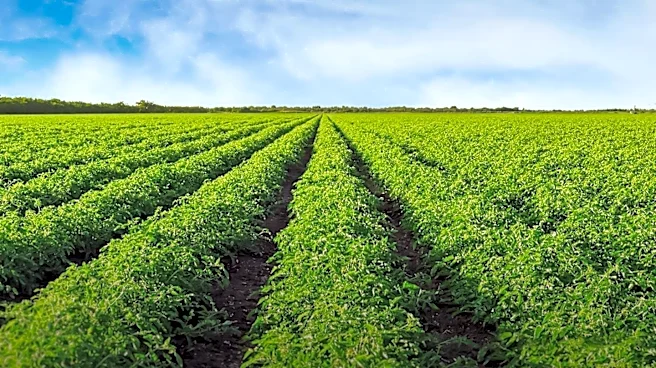
Zimbabwe is implementing a comprehensive strategy to bolster food security and climate resilience by 2027. The plan, outlined in the 2027 Budget Strategy Paper, focuses on integrating private sector involvement in food security, enhancing irrigation,
and providing drought insurance. The government will allow private companies to import grain to stabilize prices during droughts and remove duties on fertilizer imports to reduce costs. The strategy also emphasizes the expansion of the Pfumvudza/Intwasa program, which supports smallholder farmers with inputs like seeds and fertilizers. Additionally, the government plans to strengthen irrigation infrastructure and purchase sovereign drought insurance to provide quick financial relief during severe weather events.
Why It's Important?
This strategy is crucial for Zimbabwe as it seeks to mitigate the impacts of climate change and global commodity shocks on its agricultural sector. By involving the private sector in grain imports and reducing fertilizer costs, the government aims to ensure food availability and affordability, particularly during lean periods. The focus on irrigation and drought insurance is expected to enhance the resilience of smallholder farmers, who are often the most vulnerable to climate variability. Successful implementation could lead to increased agricultural productivity, improved food security, and economic stability, benefiting both rural communities and the national economy.
What's Next?
The next steps involve the government working closely with private sector partners to implement the grain importation and fertilizer duty removal policies. The expansion of the Pfumvudza/Intwasa program and irrigation infrastructure will require coordination with local farmers and extension services. The purchase of drought insurance will necessitate negotiations with insurance providers to ensure timely payouts during adverse weather conditions. Monitoring and evaluation mechanisms will be essential to assess the effectiveness of these initiatives and make necessary adjustments. Stakeholders, including farmers, government agencies, and private companies, will need to collaborate to achieve the strategy's goals.