





What's Happening?
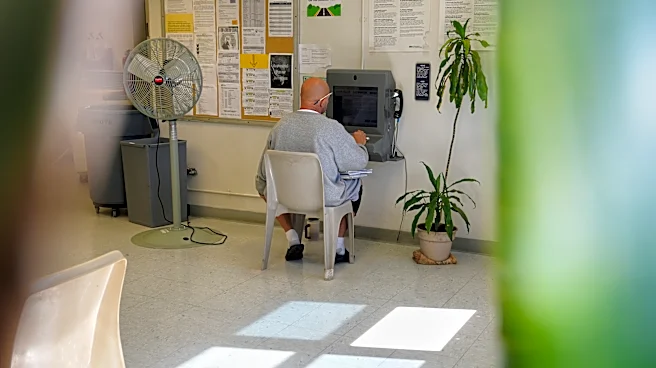
The U.S. Marshals Service has confirmed its plan to relocate approximately 400 federal detainees awaiting trial in Atlanta from a facility in Clayton County to one about 200 miles south, closer to the Florida border. This move is scheduled to be completed
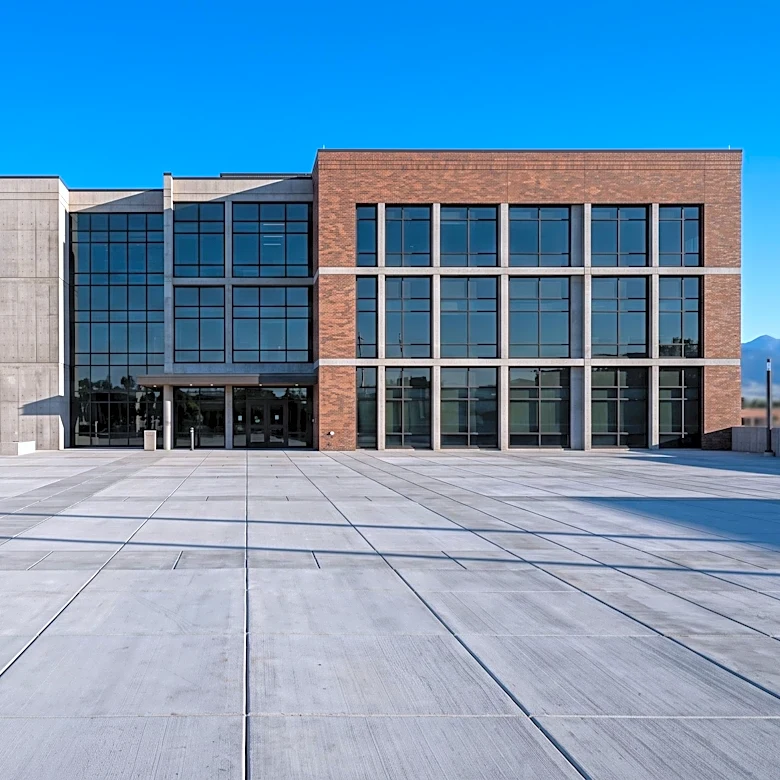
by October 31. The Marshals Service stated that the relocation prioritizes the safety, security, continuity of medical care, and access to legal counsel for the detainees. However, this decision has met significant opposition from defense attorneys, Atlanta judges, and both U.S. Senators from Georgia, Jon Ossoff and Raphael Warnock. Chief U.S. District Judge Leigh Martin May sent a letter to the U.S. Department of Justice, describing the cessation of using the Robert A. Deyton Detention Facility (RADD) as a 'catastrophe' due to the specific circumstances in their district. The Marshals Service indicated that the decision not to renew the RADD contract, which was effective through February 2028, was based on compliance issues discovered over the past 12 months, though RADD has reportedly made progress towards compliance.
Why It's Important?
This relocation plan raises serious concerns regarding the constitutional rights of detainees, particularly their right to counsel and a speedy trial. Moving detainees 200 miles away from the Atlanta courthouse could create significant logistical challenges, increasing travel time and costs for attorneys, judges, and family members. The Federal Defender Program of Northern Georgia estimates an additional $1.2 million in transportation costs annually for its attorneys. This financial burden could strain public funds and potentially force the program to take on fewer cases. Furthermore, the move could lead to delayed and canceled court proceedings, impacting the judiciary's ability to handle criminal cases efficiently. The chosen facility, Irwin County Detention Center, has faced its own controversies, including a U.S. Senate investigation into inhumane practices, which further exacerbates concerns about the quality of care and conditions for detainees. The situation highlights a tension between operational concerns of the U.S. Marshals Service and the fundamental principles of justice and due process.
What's Next?
Senators Jon Ossoff and Raphael Warnock have sent a letter to Gadyaces S. Serralta, director of the U.S. Marshals Service, requesting detailed answers by October 13 regarding the relocation plan. Their questions include the planned duration of holding detainees at Irwin County Detention Center, measures to ensure access to counsel and visitation, how court visits will be facilitated, and a comparison of conditions between RADD and Irwin County. Defense attorneys are actively filing motions to block further transfers, and the Federal Defender Program is exploring options, including the potential use of the Atlanta City Detention Center. The U.S. Marshals Service continues to work with state, local, and federal partners to find long-term solutions for housing federal pretrial detainees closer to the Atlanta courthouse. The outcome of these discussions and legal challenges will determine the final housing arrangements for the detainees and could set precedents for similar situations in other districts.
Beyond the Headlines
This situation exposes deeper systemic issues within the U.S. detention system, particularly the reliance on private prison contractors and the balance between cost-efficiency and constitutional rights. The controversy surrounding the Irwin County Detention Center, including past accusations of medical abuse, underscores the ethical implications of transferring detainees to facilities with questionable records. The increased travel burden on indigent detainees' families also highlights socio-economic disparities within the justice system, as many families may lack the resources to visit their loved ones, impacting their support networks. This event could reignite debates about prison reform, the role of private facilities in federal detention, and the need for more localized and humane detention solutions that prioritize access to justice. It also brings to light the challenges faced by public defender programs in ensuring adequate representation under evolving logistical constraints, potentially influencing future funding and policy decisions for legal aid services.