



What's Happening?
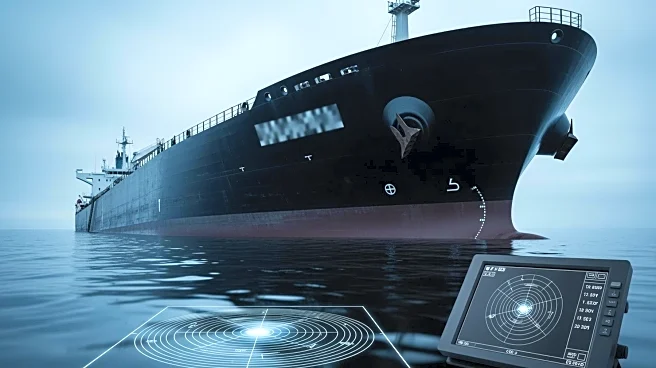
The German Federal Police have intensified their enforcement efforts against shipping vessels attempting to enter the country's territorial waters in the Baltic Sea. Recently, a tanker known as Tavian, which was presenting false identification and an IMO
number, was denied entry into German waters. The tanker, listed in the Equasis database as Arcusat, has a history of using multiple identities and flags, including Tanzania, Russia, and Panama. It was previously sanctioned by the United States in 2021 for its operations with Venezuelan oil. The German authorities, including a Federal Police helicopter, confronted the tanker near the Schleswig-Holstein region and demanded documentation and proof of insurance. The tanker eventually turned away from the Baltic after being denied entry.
Why It's Important?
This incident underscores Germany's heightened vigilance in protecting its territorial waters and critical infrastructure, particularly in the Baltic Sea. The presence of vessels with false identities poses significant risks, including potential environmental hazards and security threats. Germany's actions reflect broader concerns about maritime security and the enforcement of international sanctions. The situation also highlights the ongoing challenges in monitoring and regulating the so-called 'shadow fleet' of vessels that operate under false pretenses, often to circumvent sanctions. This enforcement effort is part of Germany's broader strategy to safeguard its maritime borders and maintain regional stability.
What's Next?
Germany is likely to continue its stringent monitoring and enforcement measures in the Baltic Sea, particularly against vessels suspected of operating under false identities. The Federal Police and the German Navy may increase their patrols and inspections to prevent unauthorized entries and protect critical infrastructure. Additionally, Germany's Transport Minister has emphasized the need for increased vigilance, suggesting that further regulatory measures could be implemented to ensure compliance with international maritime laws. The situation may also prompt other European nations to enhance their maritime security protocols in response to similar threats.