



What's Happening?
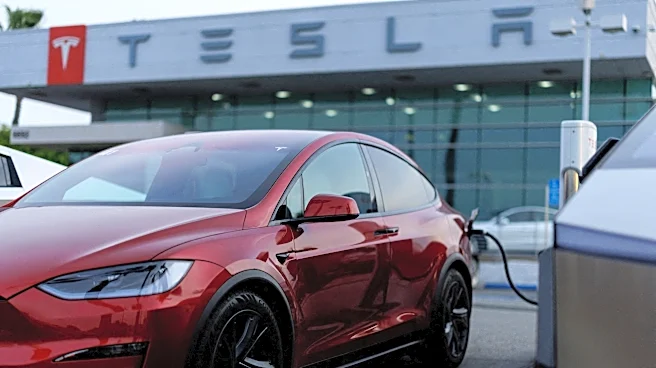
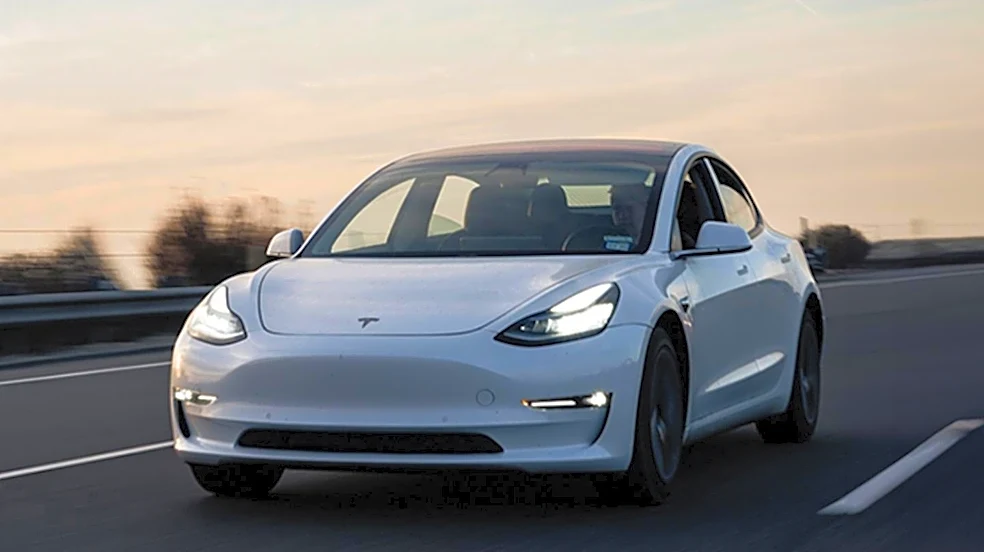
The California Highway Patrol (CHP) has released video footage showing a Tesla vehicle crashing into a patrol car on Interstate 80. The incident involved a Sacramento driver who reportedly claimed to have been asleep at the time of the collision, stating
that the Tesla was operating in its Full Self-Driving mode. This event highlights ongoing concerns and investigations into the safety and reliability of advanced driver-assistance systems, particularly when human supervision is compromised. The video serves as critical evidence in understanding the circumstances leading to the crash and will likely be used in any subsequent legal or regulatory proceedings. The CHP's release of this footage underscores the public safety implications of such technology on U.S. roadways.
Why It's Important?
This incident is significant as it brings to the forefront the complexities and potential hazards associated with autonomous driving technology currently available to consumers. The claim by the driver of being asleep while the vehicle was in Full Self-Driving mode raises serious questions about driver responsibility, the limitations of current self-driving systems, and the need for clear regulatory frameworks. For the automotive industry, particularly manufacturers like Tesla, such events can lead to increased scrutiny from regulatory bodies like the National Highway Traffic Safety Administration (NHTSA) and potentially impact public trust and adoption rates of these technologies. It also emphasizes the ongoing debate about whether these systems are truly 'self-driving' or merely advanced driver-assistance features requiring constant human oversight. The outcome of investigations into this crash could influence future design requirements, user education, and liability laws for autonomous vehicles.
What's Next?
Following the release of the video, investigations by the California Highway Patrol and potentially other federal agencies, such as the National Highway Traffic Safety Administration (NHTSA), are expected to continue. These investigations will aim to determine the precise cause of the crash, including the operational status of the Tesla's Full Self-Driving system and the driver's actions leading up to the collision. Depending on the findings, there could be legal consequences for the driver, and regulatory bodies might issue new guidelines or mandates for autonomous vehicle technology. Tesla may face increased pressure to clarify the capabilities and limitations of its Full Self-Driving system and to implement additional safety measures or warnings. This incident could also prompt further public discourse and legislative efforts regarding the safe deployment and use of autonomous vehicles on U.S. roads.
Beyond the Headlines
The crash of a Tesla in Full Self-Driving mode with a patrol car on I-80 delves into deeper ethical and legal questions surrounding the future of transportation. The concept of a driver being asleep while the vehicle is in control challenges traditional notions of culpability and responsibility in traffic accidents. This incident could set precedents for how courts and insurance companies assign fault when advanced driver-assistance systems are involved. Furthermore, it highlights the psychological impact of these technologies on human drivers, potentially fostering a false sense of security or encouraging disengagement. The broader societal implication is the ongoing tension between technological innovation and public safety, prompting a re-evaluation of how quickly and under what conditions autonomous features should be integrated into daily life. This event contributes to the critical dialogue about the balance between convenience, technological advancement, and the paramount need for safety on U.S. highways.