







What's Happening?
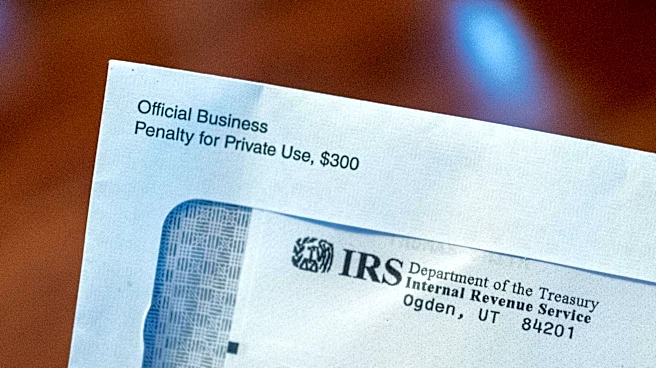
The IRS has been actively pursuing criminal tax investigations involving public officials, attorneys, and other high-profile taxpayers. Recent cases highlight the agency's focus on ensuring that individuals in positions of trust are held accountable for
tax-related misconduct. Notable cases include the sentencing of a former U.S. Tax Court judge and a prominent tax lawyer for tax evasion and fraud. The IRS Criminal Investigation division has reported significant financial crime identifications, emphasizing the use of data analytics to uncover tax fraud. The agency's efforts underscore that no taxpayer, regardless of status or profession, is immune from scrutiny.
Why It's Important?
The IRS's rigorous enforcement actions against public officials and professionals signal a broader commitment to maintaining integrity within the tax system. These actions serve as a deterrent to potential offenders and reinforce the principle that all taxpayers are subject to the same legal standards. The implications are significant for public trust, as tax evasion by officials can undermine confidence in governance. Additionally, the reputational damage and career consequences for those involved highlight the severe personal and professional risks associated with tax fraud.
What's Next?
As the IRS continues to leverage technology and data analytics in its investigations, it is likely that more high-profile cases will emerge. Public officials and professionals may face increased scrutiny, prompting a need for greater transparency and compliance. Legal and financial advisors will play a crucial role in guiding clients through complex tax issues to avoid potential legal repercussions. The ongoing focus on tax enforcement may also lead to legislative discussions on strengthening tax laws and closing loopholes.