
What's Happening?
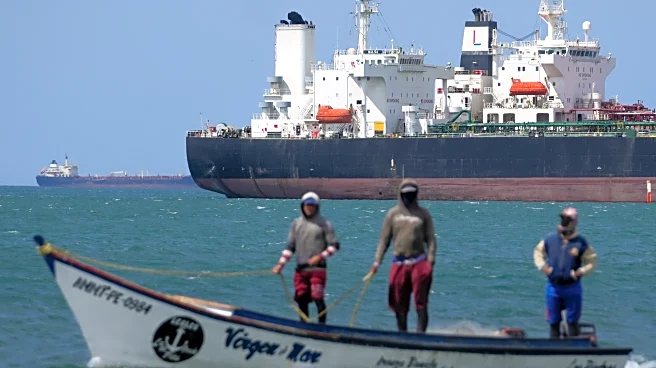
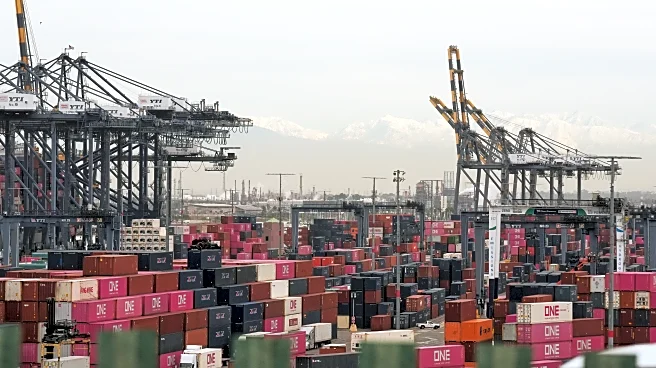
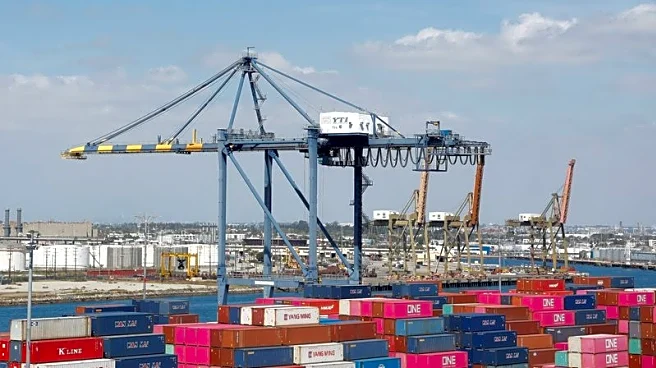
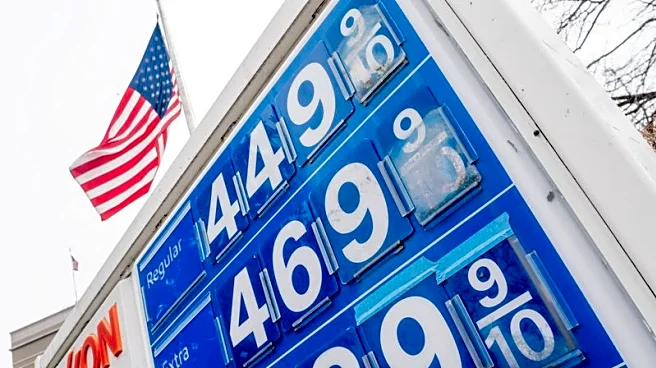
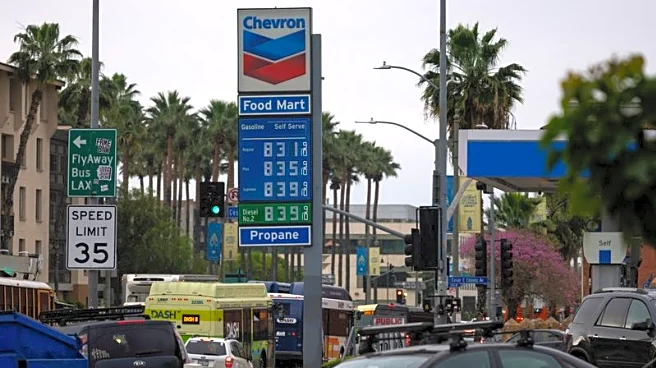
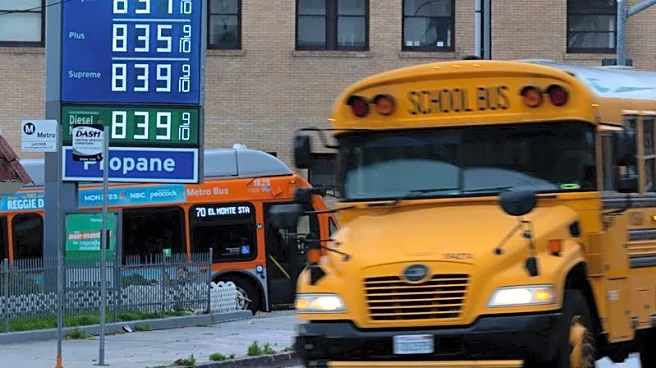
President Trump has temporarily waived the Jones Act, allowing foreign-flagged ships to transport oil, gas, and other commodities between U.S. ports for 60 days. This decision aims to ease the flow of energy products across the country amid rising gas prices,
which have been exacerbated by the closure of the Strait of Hormuz due to conflict with Iran. The waiver is part of broader efforts to address the supply crunch and stabilize global oil prices. The U.S. has also coordinated with a coalition of 32 nations to release oil from strategic reserves and temporarily lifted certain sanctions on Russian oil. Despite these measures, energy analysts suggest the waiver will have a limited impact on the market, given the scale of the disruption caused by the strait's closure.
Why It's Important?
The waiver of the Jones Act is a significant move by the Trump administration to address the immediate energy supply challenges facing the U.S. The closure of the Strait of Hormuz, a critical waterway for global oil supply, has led to a sharp increase in oil prices, impacting the cost of gasoline domestically. By allowing foreign-flagged ships to transport energy products, the administration aims to alleviate some of the pressure on the supply chain. However, the move has drawn criticism from U.S. shippers concerned about the displacement of American workers. The situation highlights the complex interplay between international conflict, energy policy, and domestic economic stability.
What's Next?
The temporary waiver of the Jones Act is set for 60 days, during which the administration will continue efforts to reopen the Strait of Hormuz and stabilize the energy market. The situation remains fluid, with no clear timeline for resolving the conflict with Iran. The administration may need to consider additional measures to support the energy sector and address the economic impact of rising gas prices. The ongoing developments could influence future policy decisions regarding energy independence and international trade.