
What's Happening?
Yemen, historically renowned for its coffee trade from the port of Mocha, which once held a global monopoly on 'Arabica' beans, has seen its economic and ecological landscape dramatically altered. The
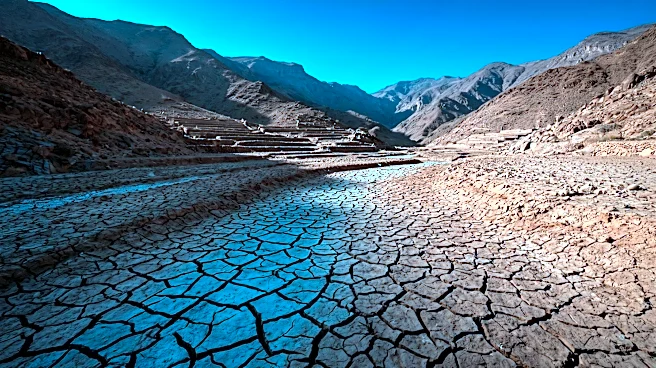
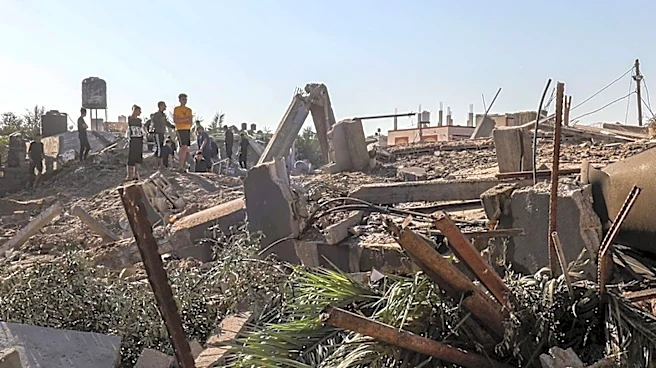
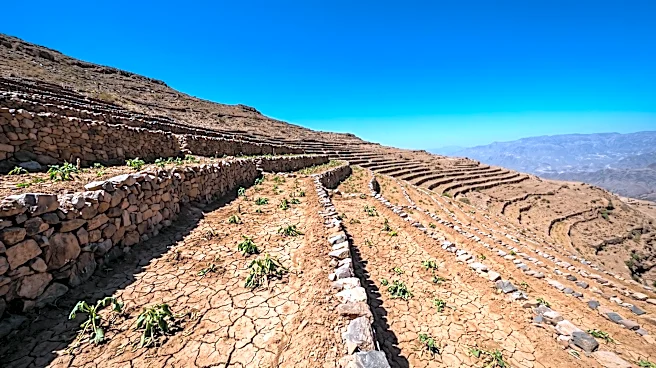
decline of its coffee dominance, due to colonial powers smuggling seeds and the silting of its harbor, led Yemeni farmers to shift to cultivating qat, a mildly narcotic leaf. This transition has had severe ecological consequences, with qat now consuming over 40% of Yemen's renewable water resources, leading to groundwater depletion at twice the natural replenishment rate. This 'hydrological bankruptcy' is linked to the rise of Houthi militancy in the impoverished northern regions, particularly in Sa'ada, where conflicts between the Houthis and the central government were fueled by state failure and water scarcity. The Houthis have since leveraged their control over strategic locations, including the Bab el-Mandeb strait, to launch attacks on shipping in the Red Sea.
Why It's Important?
This historical and ecological analysis provides crucial context for understanding the ongoing Red Sea conflict and its impact on global trade, including the coffee industry. The Houthi rebels' attacks on shipping, which have forced vessels to reroute via the Cape of Good Hope, are directly impacting supply chains and increasing costs for consumers worldwide. For the U.S. and global economy, these disruptions contribute to inflationary pressures and highlight the fragility of international trade routes. The shift from coffee to qat illustrates how environmental degradation and economic shifts can create conditions ripe for political instability and conflict, ultimately affecting international security and commerce. The efforts by UN agencies to fund 'qat-to-coffee' conversion programs underscore the recognition of this deep-seated issue and its potential to contribute to long-term stability.
What's Next?
The immediate future will likely see continued disruptions to Red Sea shipping as Houthi attacks persist, leading to sustained rerouting and increased shipping costs. Efforts to revive Yemeni coffee farming through programs like the 'qat-to-coffee' conversion will continue, but their impact will be gradual and dependent on the broader political and security situation in Yemen. The ecological crisis, particularly water scarcity, will remain a critical challenge, potentially exacerbating internal conflicts and humanitarian needs. International diplomacy will continue to seek a resolution to the Yemeni civil war, which is essential for addressing the root causes of Houthi militancy and ensuring the safety of global shipping lanes. The long-term implications for the global coffee trade will depend on the stability of these routes and the success of efforts to restore sustainable agricultural practices in Yemen.
Beyond the Headlines
The story of Yemen's coffee monopoly and its subsequent decline, leading to the rise of qat cultivation and its ecological and political ramifications, offers a profound lesson in the interconnectedness of history, environment, and conflict. It reveals how seemingly distant historical events, such as colonial seed smuggling, can have long-lasting impacts on a nation's trajectory and global affairs. The 'hydrological bankruptcy' and its link to the Houthi movement highlight the often-overlooked role of environmental factors in fueling political instability and radicalization. This narrative challenges a purely political or economic interpretation of the Red Sea conflict, suggesting that deeper ecological and historical injustices are at play. The efforts to reintroduce coffee farming are not just about economic development but also about historical restitution and ecological recovery, aiming to reverse centuries of decline and address the foundational issues contributing to the current crisis.