
What's Happening?
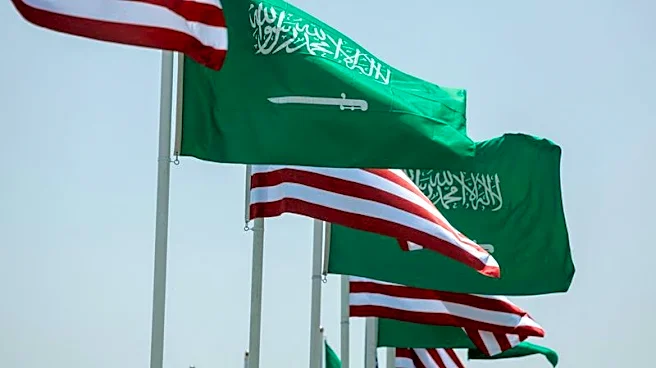
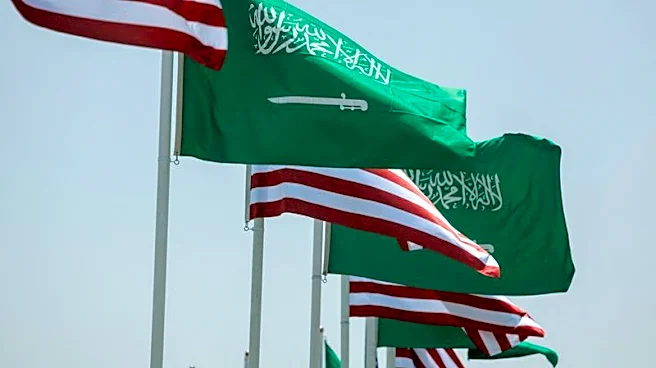
The United States and Saudi Arabia have signed a civilian nuclear cooperation agreement, known as a 123 Agreement, allowing Saudi Arabia to build nuclear reactors using US technology. The agreement, signed by
US Energy Secretary Chris Wright and Saudi Energy Minister Prince Abdulaziz bin Salman, aims to deepen cooperation in the civilian nuclear energy sector. It lays the foundation for a multi-billion-dollar partnership focused on nuclear nonproliferation and strategic economic objectives.
Why It's Important?
The agreement signifies growing US-Saudi ties during President Trump's second term and could reshape regional alliances. While it aims to advance nuclear nonproliferation, concerns have been raised about potential proliferation risks and a regional arms race. The deal allows Saudi Arabia to enrich uranium, which could lead to increased tensions with Iran. The agreement's impact on US foreign policy and regional stability will be closely monitored as it moves through Congress.
What's Next?
The agreement will be submitted to Congress, where lawmakers have 90 legislative days to block it. A two-thirds majority would be required to override a presidential veto. Democratic lawmakers have expressed concerns about proliferation risks, and the agreement's approval could trigger debates on US-Saudi relations and regional security. The outcome will influence future US foreign policy decisions and Saudi Arabia's nuclear ambitions.