


What's Happening?
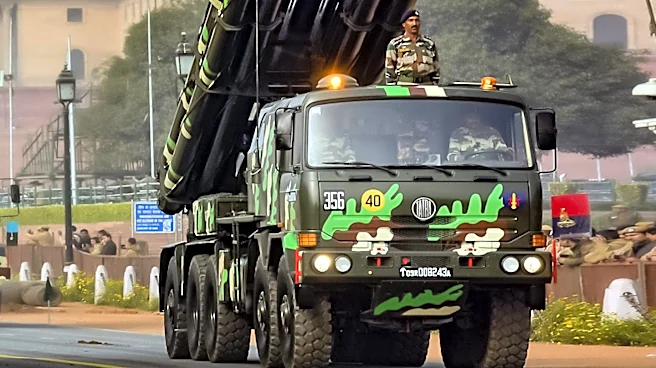
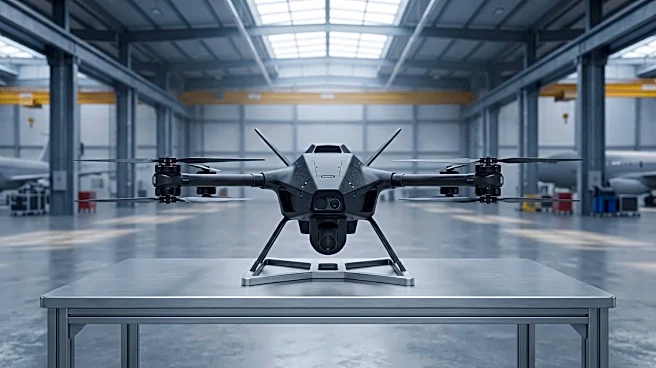
Russia has deployed an RB-531B Infauna electronic warfare and signals intelligence system to Mali, where units of its 'Africa Corps' are operating. This specialized equipment, designed to protect military convoys from radio-activated improvised explosive
devices (IEDs) and jam VHF communications, was spotted in late October and early November. The Africa Corps, formerly known as the Wagner PMC, now operates under the command of the Russian Ministry of Defense. The presence of the Infauna system indicates an increased deployment of sophisticated electronic warfare capabilities to Russian units in Africa. This move is seen as a direct tactical response to ambush tactics prevalent in the Sahel region, where armed groups frequently use remotely activated IEDs and coordinate attacks via VHF radio. The Infauna system, developed between 2005 and 2009, entered service with Russian airborne forces in 2012 and has also been deployed in Tajikistan. Its features include broadband jamming to block detonation signals and laser warning sensors that activate smoke grenade launchers for concealment.
Why It's Important?
The deployment of the Infauna system signifies a notable shift in Russia's troop protection doctrine in Africa, emphasizing advanced electronic warfare and asymmetric combat strategies. This enhancement of capabilities directly addresses the threats posed by insurgent groups in Mali, such as JNIM (linked to al-Qaeda) and Tuareg separatists, who rely on IEDs and radio communications for their operations. By deploying such sophisticated equipment, Russia aims to bolster the security of its forces and those of its allies in the region, thereby solidifying its influence. This move also underscores Russia's broader strategy in Africa, which combines military assistance, economic involvement, and information campaigns to expand Moscow's geopolitical footprint while challenging Western influence. The effectiveness of these systems could significantly impact the operational landscape for both Russian-backed forces and local armed groups, potentially altering the dynamics of ongoing conflicts and security operations in the Sahel.
What's Next?
The deployment of advanced electronic warfare systems like Infauna suggests that Russia will continue to enhance the technological capabilities of its Africa Corps, potentially leading to further integration of sophisticated military hardware in its African operations. This could result in a more robust and technologically advanced Russian military presence across the continent, particularly in regions facing significant insurgent activity. Other African nations seeking Russian security assistance may also see similar deployments, further entrenching Russia's role as a security provider. This development may prompt Western powers to re-evaluate their own security assistance strategies and counter-terrorism efforts in Africa, as the technological gap between state and non-state actors could widen. Additionally, the increased effectiveness of Russian-backed forces in countering IEDs and disrupting communications could lead to a shift in tactics by armed groups, potentially forcing them to adapt their operational methods.
Beyond the Headlines
The deployment of advanced electronic warfare systems by Russia in Africa extends beyond immediate tactical advantages, signaling a long-term commitment to establishing a dominant security and strategic presence on the continent. This move highlights Russia's intent to project power and influence globally, using Africa as a key theater for demonstrating its military technological prowess and challenging the traditional influence of Western nations. Ethically, the use of such systems in conflict zones raises questions about the potential for collateral damage and the broader implications for civilian populations caught in the crossfire of increasingly sophisticated warfare. Legally, the operations of the Africa Corps, now formally under the Russian Ministry of Defense, bring a new layer of state accountability to actions previously attributed to a private military company, potentially altering international legal frameworks for engagement. Culturally, the increased Russian military footprint, coupled with information campaigns, could further shift geopolitical alignments and perceptions within African nations, fostering deeper ties with Moscow and potentially eroding historical allegiances with former colonial powers.