




What's Happening?
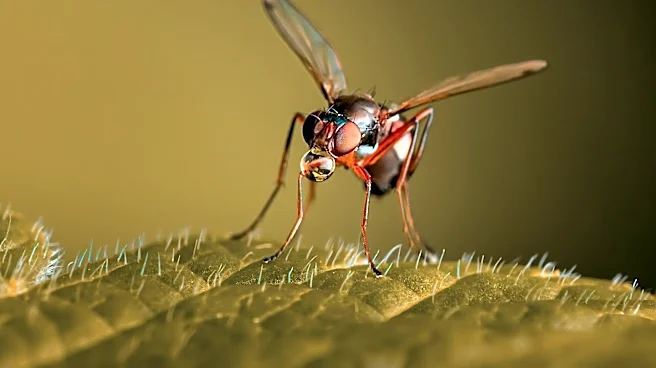
U.S. Secretary of Agriculture Brooke L. Rollins announced a $25 million investment to establish a new sterile fly dispersal facility in Arizona. This initiative aims to bolster defenses against the New World Screwworm, a significant threat to livestock.
The announcement was made during Rollins' visit to the Douglas Port of Entry, where she was joined by Representatives Juan Ciscomani, Andy Biggs, Eli Crane, and Arizona Director of Agriculture Paul Brierley. The facility is part of a broader strategy to enhance livestock inspection protocols and protect American agriculture by ensuring cattle crossing the border are free from the parasite.
Why It's Important?
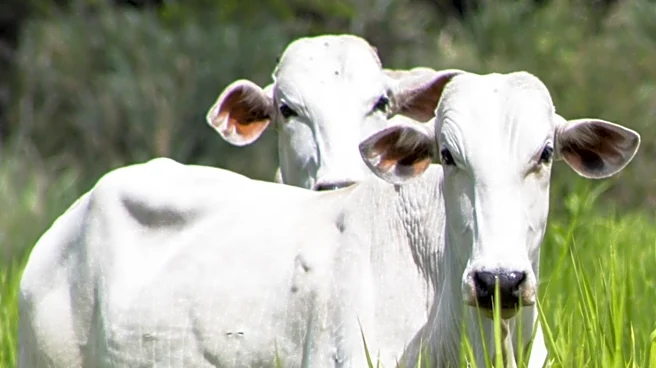
The investment in the sterile fly dispersal facility is a critical step in safeguarding the U.S. livestock industry from the New World Screwworm, which poses a severe threat to animal health and agricultural productivity. By enhancing inspection protocols and establishing a dedicated facility, the USDA aims to prevent the spread of this parasite, thereby protecting the economic interests of ranchers and farmers. The initiative reflects the USDA's commitment to maintaining robust animal health safeguards and supporting the agricultural sector's long-term sustainability.
What's Next?
The USDA will collaborate with the Arizona Department of Agriculture and local officials to determine the facility's location and operational plan. Construction could be completed within several months, depending on the selected site and existing infrastructure. The phased reopening of the Douglas Port of Entry is contingent upon Mexico's adherence to a joint action plan to combat the screwworm. The USDA will continue to monitor conditions and adjust reopening plans as necessary, with the potential to reopen additional ports in New Mexico if the Douglas reopening is successful.
Beyond the Headlines
The establishment of the sterile fly facility highlights the importance of cross-border collaboration in addressing agricultural threats. It underscores the need for comprehensive biosecurity measures to protect livestock and prevent economic losses. The initiative also reflects broader efforts to enhance agricultural resilience in the face of environmental and biological challenges. By investing in preventive measures, the USDA aims to reduce the risk of future outbreaks and ensure the stability of the livestock industry.