







What's Happening?
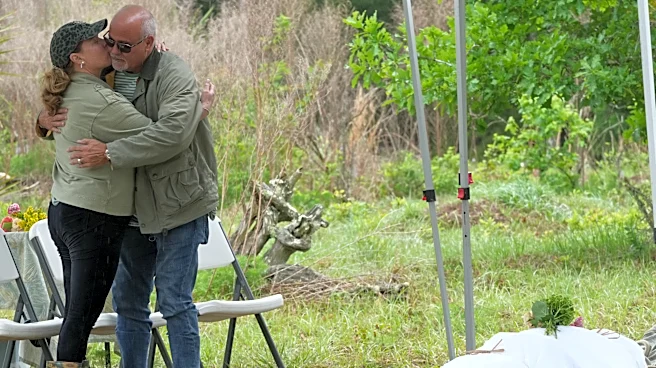
In 2001, a Canadian mining company proposed the Pebble Mine project at the headwaters of Bristol Bay, Alaska, threatening the world's largest sockeye salmon run. Indigenous communities, led by Alannah Acaq Hurley, Executive Director of the United Tribes
of Bristol Bay, opposed the project due to its potential environmental devastation. The mine would have been located at the headwaters of two major river systems, posing a significant risk of toxic waste contamination. After years of advocacy, the Environmental Protection Agency (EPA) issued a rare veto in 2023, halting the project. Hurley, recognized with the 2026 Goldman Environmental Prize, emphasized the cultural and economic importance of the bay to Native Alaskans.
Why It's Important?
The EPA's veto of the Pebble Mine project is a significant victory for environmental protection and Indigenous rights. Bristol Bay's ecosystem supports a $2 billion annual sockeye fishing industry, crucial for local economies and cultural heritage. The decision underscores the importance of Indigenous leadership in environmental advocacy, highlighting the need for sustainable development that respects traditional lands. The case also illustrates the challenges of balancing economic interests with environmental and cultural preservation, setting a precedent for future resource management decisions.
What's Next?
Despite the EPA's veto, the threat of mining in Bristol Bay persists, with ongoing litigation challenging the protections. Indigenous leaders continue to advocate for permanent safeguards against similar projects. Efforts are underway to address other active mining claims in the region, aiming to prevent future threats. The coalition of Indigenous and non-native groups remains vigilant, working towards legislative solutions to ensure long-term protection of the bay's ecosystem and cultural heritage.