





What's Happening?
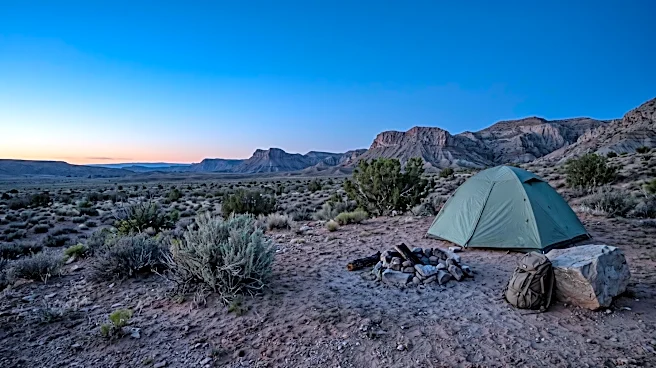
Two Yavapai County Sheriff's Office deputies successfully rescued a man who was bitten by a rattlesnake at a remote campsite near Perkinsville, Arizona, on the evening of July 29. The deputies responded to a report from the camper and, upon reaching the rural
terrain, found the man experiencing mild symptoms. As the remote location made ambulance access difficult, the deputies decided to call for a rescue helicopter. While awaiting medical personnel, the camper's condition rapidly deteriorated, exhibiting vomiting, convulsions, and intense muscle spasms. The deputies worked to keep the man alert and calm to slow the venom's spread until the helicopter arrived. The man was airlifted to a Phoenix-area hospital for emergency treatment and was later released to recover at home.
Why It's Important?
This incident underscores the critical role of emergency responders, particularly in remote and challenging environments, where timely intervention can be life-saving. It highlights the inherent dangers of outdoor activities in areas with wildlife, such as rattlesnakes, and the importance of rapid decision-making by first responders when traditional medical transport is not feasible. For residents and visitors in Arizona, it serves as a stark reminder of the need for caution and preparedness when engaging in outdoor recreation, especially in less accessible areas. The successful rescue also showcases the effectiveness of inter-agency coordination, involving ground deputies and air medical services, in overcoming geographical obstacles to provide emergency care.
What's Next?
The man has been released from the hospital and is recovering at his home in Yavapai County. This event may prompt increased awareness campaigns by local authorities and outdoor organizations regarding rattlesnake safety and emergency protocols for remote areas. It could also lead to a review of response times and resource allocation for similar incidents in geographically challenging regions. For individuals planning outdoor activities in Arizona, it reinforces the recommendation to be aware of local wildlife, carry appropriate first-aid supplies, and understand how to contact emergency services effectively from remote locations.
Beyond the Headlines
Beyond the immediate rescue, this story touches on the broader theme of human interaction with nature and the risks associated with venturing into wilderness areas. It highlights the specialized training and dedication required of law enforcement and emergency medical personnel who operate in diverse and often dangerous environments. The incident also subtly points to the increasing popularity of remote outdoor recreation and the corresponding need for robust emergency infrastructure and public education on wilderness safety. The rapid deterioration of the victim's condition despite initial mild symptoms serves as a powerful illustration of the unpredictable and severe nature of venomous bites, emphasizing that even seemingly minor encounters can quickly become life-threatening emergencies.