






What's Happening?
White-collar workers in the U.S. are voluntarily leaving their jobs due to fears of AI disruption, despite economic data indicating that AI has created more jobs than it has eliminated. The Guardian reports that AI has generated approximately 1 million
U.S. jobs, while only 200,000 layoffs have been attributed to AI. This trend of workers quitting is driven by concerns that AI will fundamentally change the nature and stability of their roles, leading some to pursue careers they perceive as more secure or aligned with their values. Examples include an AI researcher leaving for a poetry degree and a public relations professional pursuing a master's in comparative literature. Workers express worries about AI jeopardizing cognitive abilities, contributing to climate change, and undermining customer value. Some software engineers also believe their roles will soon be automated, prompting them to consider leaving the industry.
Why It's Important?
This phenomenon highlights a significant disconnect between economic data and worker sentiment regarding AI's impact on employment. While the aggregate numbers show a net positive in job creation, the widespread fear among white-collar professionals could have substantial economic and social consequences. If a large number of workers, particularly in skilled professions, choose to leave their careers, it could lead to labor shortages in critical sectors, impact wages, and potentially trigger economic disruption similar to the 'great resignation' during the COVID-19 pandemic. The fear itself, even if mass job loss doesn't materialize, can affect the economy by influencing career choices and investment in skills. This situation also underscores the psychological impact of technological change, as workers feel a loss of purpose and stability in their jobs, even if they are not directly laid off. The warnings from AI industry leaders about future job displacement contribute to this anxiety, despite some executives later walking back their dire predictions.
What's Next?
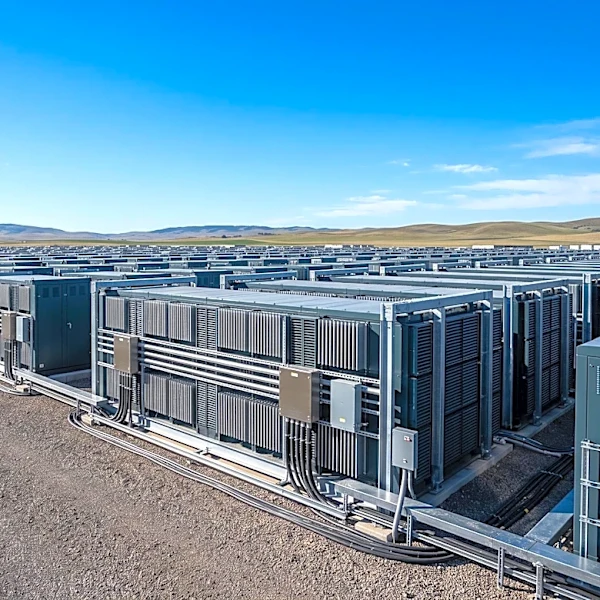
The ongoing anxiety among white-collar workers about AI's impact suggests a need for clearer communication and proactive strategies from both industry and government. Lawmakers are beginning to address these concerns, with some proposing measures like a federal moratorium on new AI data center construction until worker safeguards are in place. This indicates a growing recognition of the social and economic implications of AI beyond purely technological advancements. Companies may need to focus on integrating AI in ways that augment human capabilities rather than replacing them, and invest in retraining programs to help employees adapt to new roles. If the trend of voluntary resignations continues, it could prompt a re-evaluation of educational pathways and career counseling to guide individuals toward professions perceived as more resilient to AI automation. Addressing worker sentiment and building trust in the future of work will be crucial to prevent further economic instability.
Beyond the Headlines
The widespread fear among white-collar workers about AI's impact delves into deeper societal and psychological dimensions. It reflects a fundamental questioning of the traditional career path and the perceived security of professional roles. The shift from established careers to vastly different fields, such as poetry or law enforcement, suggests a search for meaning, purpose, and stability that AI's rapid advancement seems to threaten. This trend also highlights the ethical considerations surrounding AI development, particularly concerns about its impact on human creativity, cognitive abilities, and the environment. The debate extends to the responsibility of AI developers and companies to articulate a positive vision for the future of work, rather than fueling anxieties about job displacement. Ultimately, this phenomenon points to a broader societal reckoning with the role of technology in human life and the need for a more human-centered approach to technological progress.