




What's Happening?
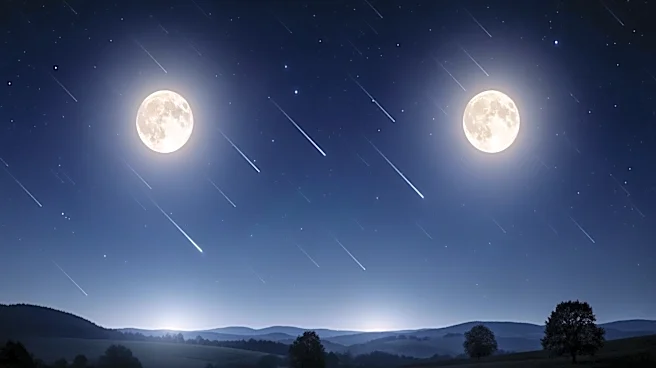
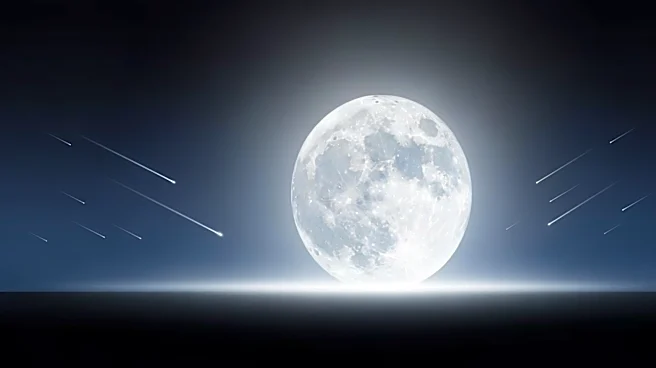
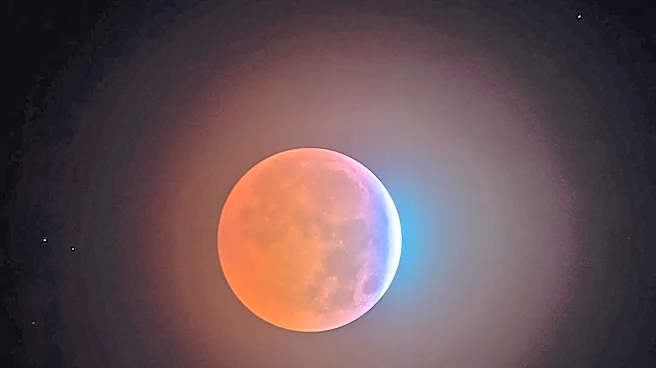
The Eta Aquarid meteor shower, which originates from debris left by Halley’s Comet, is set to peak on Tuesday night into Wednesday morning. However, a bright moon is expected to reduce the visibility of the meteor shower significantly. Typically, viewers
in the Southern Hemisphere can observe up to 50 meteors per hour during the peak. This year, the moon's brightness could cut that number by half. In the Northern Hemisphere, the visibility is expected to be even lower, with fewer than 10 meteors per hour. Teri Gee, manager of the Barlow Planetarium in Wisconsin, noted that the farther south one is, the better the view will be. Meteor showers occur when Earth passes through trails of debris from comets or asteroids, creating streaks of light known as shooting stars.
Why It's Important?
Meteor showers like the Eta Aquarids offer a unique opportunity for both amateur and professional astronomers to observe celestial events. The Eta Aquarids are particularly significant because they are linked to Halley’s Comet, one of the most famous comets, which only passes by Earth approximately every 76 years. This event provides a chance for educational outreach and public engagement in astronomy, encouraging interest in space science. The reduced visibility due to the bright moon may disappoint skywatchers, but it also highlights the challenges of astronomical observations and the importance of optimal viewing conditions.
What's Next?
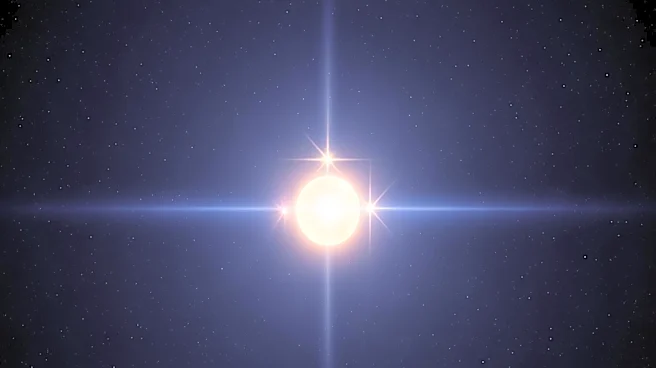
For those interested in viewing the meteor shower, it is recommended to go outside just before dawn, away from city lights and tall buildings, to get a clear view of the sky. Observers should look towards the east, near the constellation Aquarius and the bright star Eta Aquarii. To enhance the viewing experience, it is advisable to avoid looking at phones and allow eyes to adjust to the darkness. The next significant opportunity to observe Halley’s Comet itself will not occur until 2061, making this meteor shower a valuable event for enthusiasts.