





What's Happening?
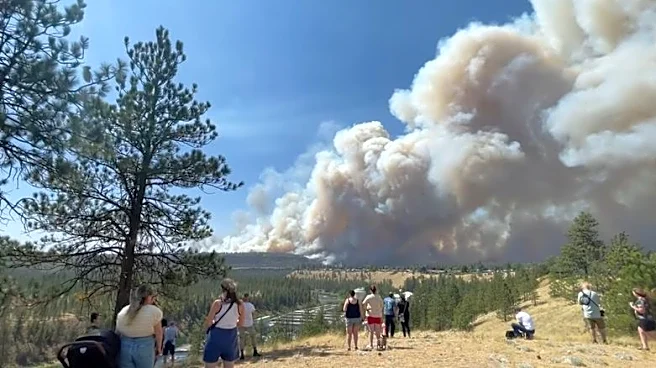
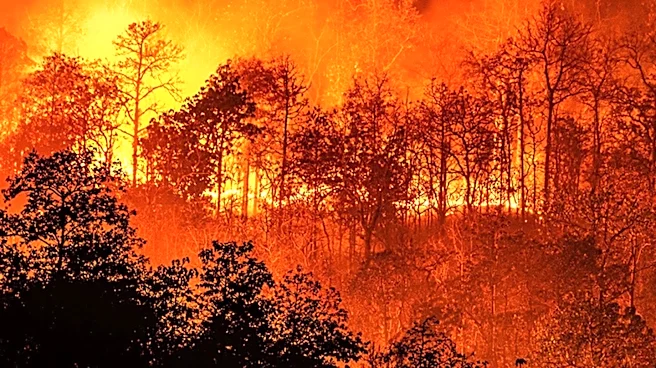
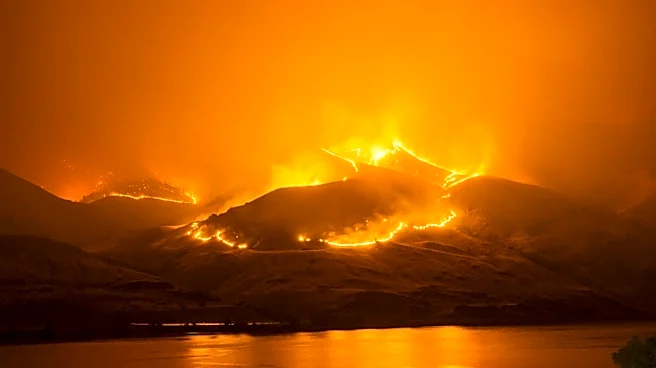
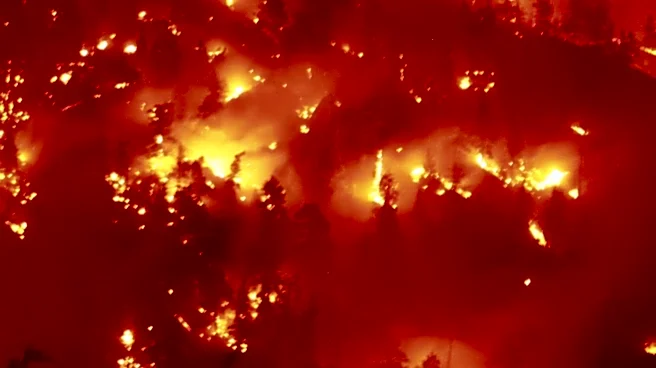
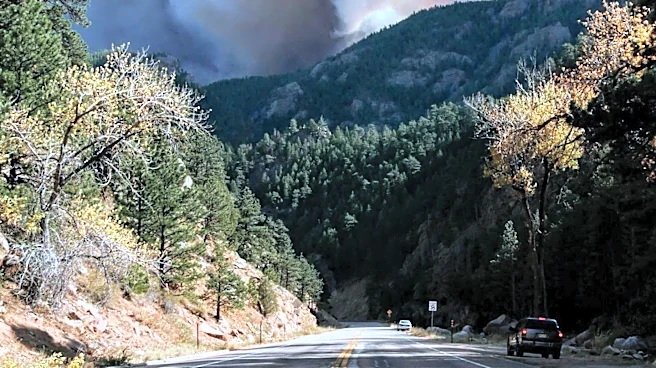
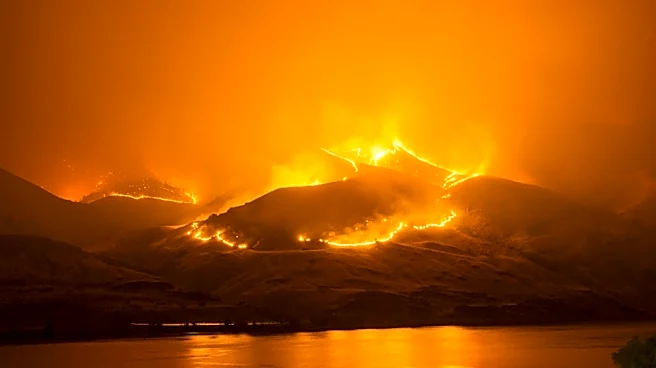
Washington Governor Bob Ferguson has declared a state of emergency following devastating wildfires in the Spokane area, which have destroyed over 600 structures and forced the evacuation of approximately 60,000 residents. The fires, exacerbated by high
temperatures and strong winds, include the Old Trails Fire, Fairview Fire, and Autumn Lane Fire. These blazes have burned more than 8.2 square miles, with no containment reported. Governor Ferguson has requested federal assistance and expressed optimism about receiving support after discussions with President Trump. The Federal Emergency Management Agency has already authorized funds to combat the fires. The situation remains critical, with air quality warnings issued and firefighting efforts ongoing.
Why It's Important?
The wildfires in Spokane represent a significant natural disaster, impacting thousands of residents and causing extensive property damage. The destruction of homes and businesses not only displaces families but also strains local resources and emergency services. The fires highlight the increasing frequency and intensity of wildfires in the Pacific Northwest, raising concerns about climate change and the need for improved disaster preparedness and response strategies. The economic impact is substantial, with potential long-term effects on the local economy and infrastructure. Federal assistance is crucial for recovery efforts, and the situation underscores the importance of coordinated responses to natural disasters.
What's Next?
As firefighting efforts continue, the focus will be on containing the fires and preventing further destruction. The weather forecast suggests challenging conditions, with high temperatures and low humidity expected to persist. Authorities are working to assess the full extent of the damage and provide support to affected residents. The state and federal governments will likely collaborate on additional relief measures, including financial aid and resources for rebuilding. The situation remains dynamic, and ongoing monitoring and adaptation to changing conditions will be essential.