


What's Happening?
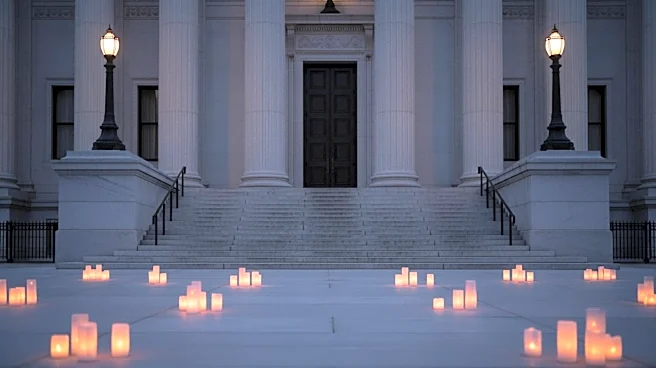
Hundreds of demonstrators gathered at the Supreme Court to protest against President Trump's executive order challenging birthright citizenship. The order, issued on Trump's first day in office, seeks to reinterpret the Constitution to limit citizenship to children
born to U.S. citizens or legal residents. Protesters, including notable figures like celebrity chef José Andrés, emphasized the importance of birthright citizenship as a fundamental American principle. The case, argued by the ACLU, challenges the constitutionality of the order, with a decision expected this summer.
Why It's Important?
The case has significant implications for immigration policy and the interpretation of the 14th Amendment, which guarantees citizenship to all persons born in the U.S. A ruling in favor of the executive order could deny citizenship to hundreds of thousands of children born in the U.S. each year, affecting their access to rights and services. The case also highlights broader debates about immigration and national identity, with potential impacts on U.S. demographics and social cohesion.
What's Next?
The Supreme Court's decision will be closely watched, as it could set a precedent for future immigration policies. If the court upholds the executive order, it may prompt legislative action or further legal challenges. The outcome could also influence public opinion and political discourse on immigration, potentially affecting upcoming elections and policy debates.