





What's Happening?
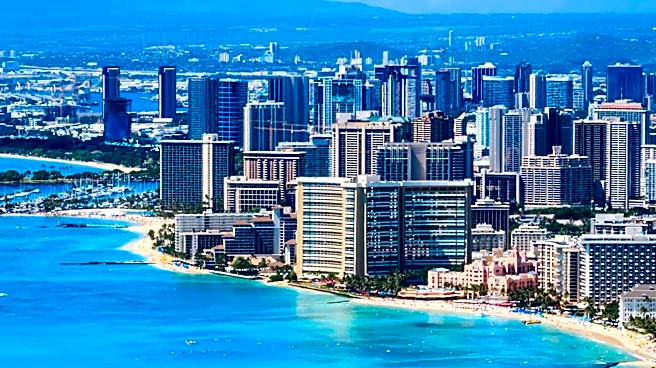
Hawaii has been identified as the least affordable state to live in the U.S., with its cost of living approximately 86% higher than the national average in Q2 2026, according to the Missouri Economic Research & Information Center (MERIC). Research by
the Common Sense Institute (CSI) indicates that Hawaiian families retain only 9% of their income after taxes and essential expenses. This translates to roughly $800 per month remaining for a family of four with two full-time working adults earning the state's median hourly wage. In contrast, the average American household has 24.7% of its income remaining, or $2,170 per month. Housing and gas are major contributors to Hawaii's high costs, with 28.8% of a household's income allocated to shelter and utilities, and 3.6% to fuel. The median price for a single-family home in Hawaii was $1,027,000 as of September 2026, significantly higher than the national median of $422,700. Additionally, average gas prices in Hawaii are over $1 more per gallon than the national average, reaching $5.65 per gallon as of October 29, 2026.
Why It's Important?
The extreme cost of living in Hawaii has significant implications for its residents, particularly families, who are left with substantially less disposable income compared to the national average. This financial strain can lead to increased credit card debt, as Hawaii is noted as one of the states with the highest credit card debt. The high cost of essentials like housing, gas, groceries (nearly 36% higher than the national average), and childcare (ranging from $7,000 to $24,000 annually) forces residents to make difficult financial choices. While Hawaii's median household income of $105,013 in 2025 was higher than the national median, this advantage is largely negated by the disproportionately higher cost of living. This situation highlights a growing affordability crisis that could impact population retention, economic stability, and the overall well-being of the state's workforce.
What's Next?
The ongoing high cost of living in Hawaii is likely to continue to be a critical issue for policymakers and residents. Without significant interventions or shifts in economic factors, families may face increasing financial pressure, potentially leading to out-migration or a decline in the quality of life for those who remain. Discussions around affordable housing initiatives, energy cost reduction strategies, and support for essential services like childcare and groceries may become more prominent. The disparity in disposable income compared to other states, such as Iowa where residents keep 34.7% of their income, could prompt a reevaluation of economic policies aimed at improving affordability and financial resilience for Hawaiian households.
Beyond the Headlines
The situation in Hawaii underscores a broader national challenge of rising living costs, particularly in desirable locations. The ethical implications of such high costs include questions of equitable access to basic necessities and the potential for economic stratification. Culturally, the financial burden could impact the ability of local communities to thrive and maintain their unique heritage if residents are forced to leave due to unaffordability. This scenario also raises legal considerations regarding housing regulations and consumer protections against exorbitant prices. The long-term shift could see Hawaii becoming increasingly exclusive, potentially altering its demographic and economic landscape, and serving as a stark example of the consequences of unchecked cost-of-living increases.