






What's Happening?
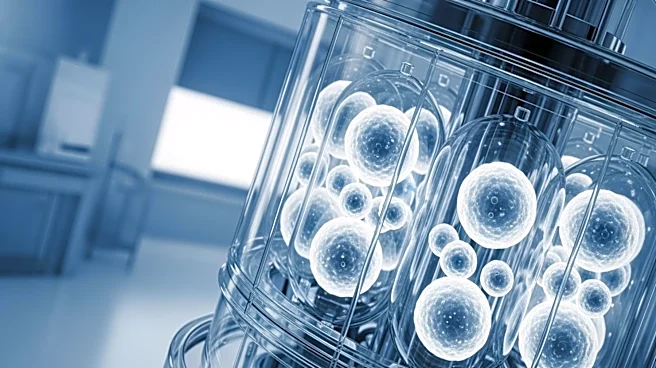
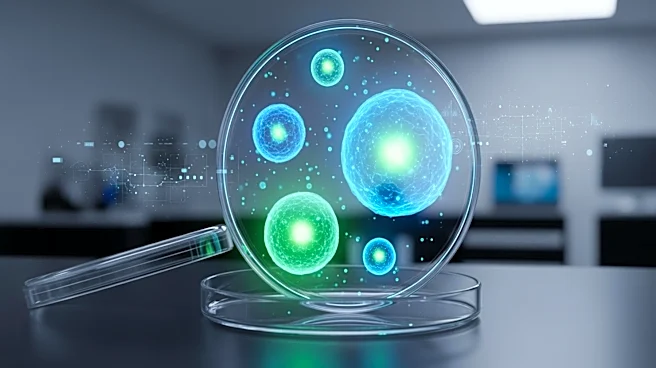
Researchers at Hannover Medical School (MHH) have developed a new method for producing human immune cells, specifically macrophages, using medium-sized bioreactors. This advancement allows for the efficient production of macrophages from induced pluripotent
stem cells (iPS cells), which are reprogrammed somatic cells capable of developing into any cell type. The method, published in Nature Protocols, enables the production of up to 40 million macrophages per week over a ten-week period. Macrophages play a crucial role in the immune system, defending against pathogens and repairing damaged tissue. They are already used in clinical therapies for liver diseases and are being explored for treating infectious diseases, inflammation, fibrosis, cancer, and neurodegenerative diseases like Alzheimer's. The new bioreactors are efficient, cost-effective, and easy to handle, making them suitable for preclinical research projects.
Why It's Important?
The development of medium-sized bioreactors for macrophage production represents a significant advancement in medical research and therapeutic applications. Macrophages are essential for immune defense and tissue repair, and their efficient production can accelerate research into various diseases, including cancer and neurodegenerative conditions. This technology provides a valuable tool for testing drug purity, safety, and efficacy, potentially leading to more effective treatments. The ability to produce large quantities of macrophages in a cost-effective manner could enhance the development of new therapies and improve existing ones, benefiting patients with a range of conditions. Additionally, the method's scalability and ease of use make it accessible for widespread research applications, potentially leading to breakthroughs in understanding and treating complex diseases.
What's Next?
The introduction of this bioreactor technology is likely to spur further research into its applications in disease treatment and drug testing. Researchers may explore additional uses for macrophages in clinical therapies, particularly for conditions that currently lack effective treatments. The technology's efficiency and scalability could lead to collaborations between research institutions and pharmaceutical companies, aiming to develop new therapeutic approaches. As the method gains recognition, it may attract funding and support for expanded research projects, potentially leading to innovations in regenerative medicine and personalized healthcare. The ongoing production of macrophages could also facilitate studies on immune system functions and disease mechanisms, contributing to a deeper understanding of human health.
Beyond the Headlines
The ethical implications of using stem cells for macrophage production are an important consideration. While iPS cells offer a promising alternative to embryonic stem cells, ensuring ethical sourcing and use remains crucial. The technology also raises questions about accessibility and equity in healthcare, as advancements in bioreactor technology could widen the gap between institutions with varying resources. Additionally, the long-term impact of widespread macrophage production on medical research and treatment paradigms warrants examination. As the technology evolves, it may influence regulatory frameworks and standards for stem cell research and applications, necessitating ongoing dialogue among scientists, ethicists, and policymakers.