










What's Happening?
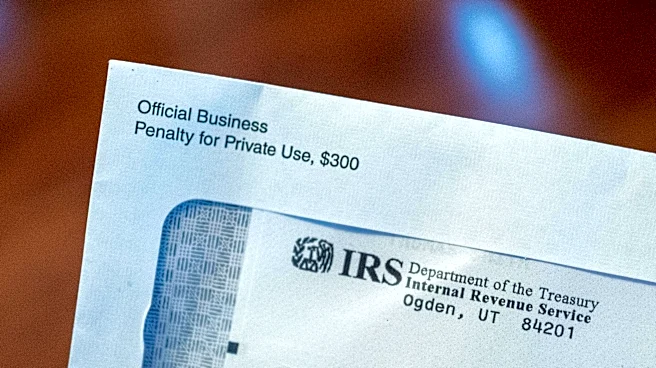
The Internal Revenue Service (IRS) is increasing its oversight of tax-exempt organizations, including charities and nonprofits, to ensure compliance with federal regulations. This initiative was discussed at the annual Tax Controversy Forum at New York
University, where IRS officials emphasized the importance of adhering to tax-exempt rules. The IRS has introduced new questions to Form 990, which tax-exempt entities must file, and is actively seeking whistleblower tips to identify potential fraud. This marks the first time the IRS has issued a Whistleblower Alert specifically targeting misuse of federal funds by tax-exempt entities. The agency is also pursuing cases against organizations like the Southern Poverty Law Center, accused of misusing donated funds. Additionally, the IRS plans to propose regulations to limit excessive compensation for executives in tax-exempt organizations.
Why It's Important?
The IRS's enhanced scrutiny of tax-exempt groups is significant as it aims to ensure that these organizations, which benefit from tax privileges, adhere to legal and ethical standards. This move could lead to increased accountability and transparency within the nonprofit sector, potentially affecting how these organizations operate and manage their finances. The involvement of whistleblowers is crucial, as it provides the IRS with insider information that can uncover fraudulent activities. This initiative may also deter potential abuses of tax-exempt status, thereby protecting public funds and maintaining trust in charitable organizations. The IRS's actions could have broader implications for the nonprofit sector, influencing governance practices and financial management strategies.
What's Next?
The IRS is expected to continue its coordinated enforcement efforts across various divisions, leveraging technology and artificial intelligence to enhance compliance operations. The agency's focus on timely processing of whistleblower claims aims to encourage more individuals to report fraud, potentially leading to more investigations and enforcement actions. Proposed regulations on executive compensation in tax-exempt organizations are anticipated, which could further impact how these entities structure their leadership and compensation packages. The IRS's ongoing efforts to streamline operations and improve efficiency, despite workforce reductions, suggest a continued emphasis on robust tax administration and compliance.