





What's Happening?
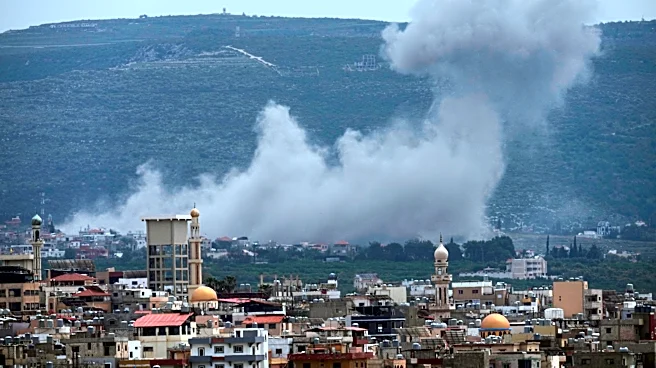
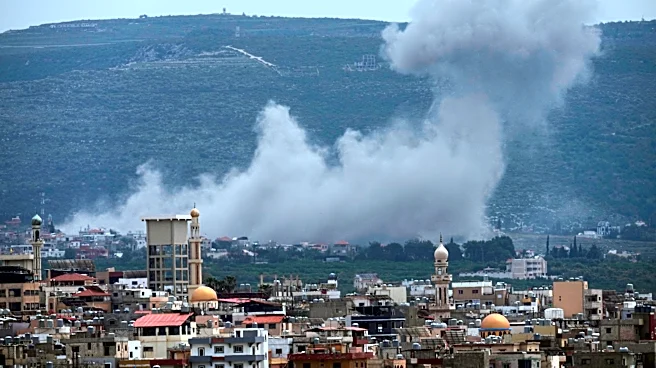
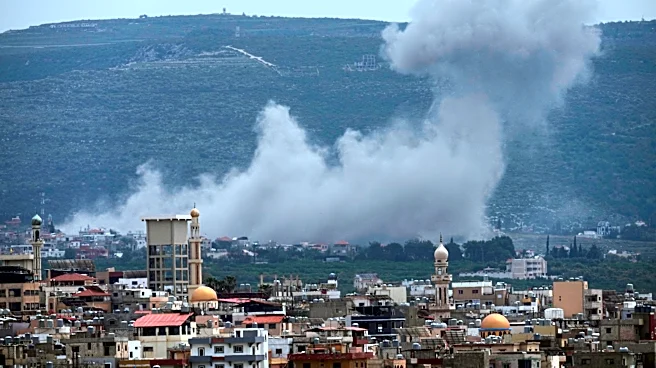
Lebanese President Joseph Aoun has called for the recent ceasefire between Lebanon and Israel to be transformed into permanent agreements. This statement was made during his first televised address since the United States brokered the ceasefire, ending
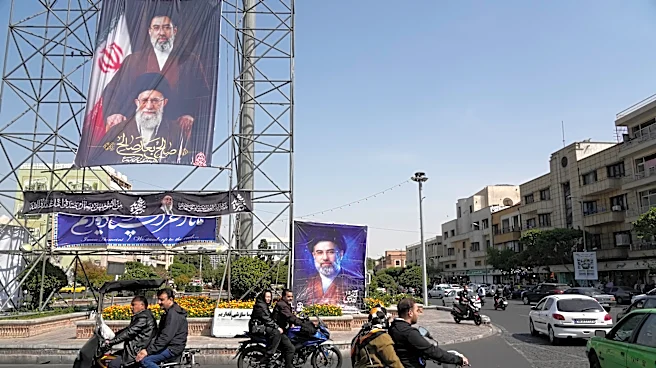
six weeks of conflict between Israel and Hezbollah, a group backed by Iran. The ceasefire agreement includes provisions for direct talks between Israel and Lebanon aimed at achieving peace. President Aoun expressed gratitude to President Trump and regional countries for their role in securing the ceasefire. Despite Hezbollah's opposition to direct negotiations with Israel, Aoun emphasized the importance of moving towards permanent agreements that uphold Lebanon's sovereignty and territorial unity.
Why It's Important?
The call for permanent agreements signifies a potential shift in the longstanding conflict between Lebanon and Israel. If successful, these negotiations could lead to a historic peace deal, altering the geopolitical landscape in the Middle East. The involvement of the United States, particularly President Trump, underscores the international interest in stabilizing the region. A permanent peace agreement could reduce Hezbollah's influence in Lebanon, potentially leading to a decrease in regional tensions. However, Hezbollah's opposition to direct talks poses a significant challenge, as their support is crucial for any lasting resolution. The outcome of these negotiations could impact U.S. foreign policy and its role in Middle Eastern diplomacy.
What's Next?
President Trump has expressed intentions to invite President Aoun and Israeli Prime Minister Benjamin Netanyahu to the White House for further discussions. While no date has been set, such talks would be a significant milestone in the peace process. The Lebanese government will need to navigate internal opposition from Hezbollah and other factions resistant to direct negotiations with Israel. The international community, particularly the U.S., will likely continue to play a pivotal role in facilitating dialogue and ensuring compliance with any agreements reached. The success of these efforts could pave the way for broader regional peace initiatives.