







What's Happening?
The Defense Ministry of Israel and the Friends of the Israeli Defense Forces (FIDF) have signed an agreement to create a new rehabilitation center dedicated to army veterans suffering from traumatic brain injuries. This initiative follows the Israeli government's
recent approval of a comprehensive overhaul of the rehabilitation system for wounded IDF soldiers. The new facility, set to be located in Tel Aviv, will replace the outdated Beit Marguza facility in Jaffa. It will be the only center in Israel exclusively focused on the rehabilitation of IDF veterans with brain trauma. The center is designed to accommodate approximately 60 veterans and is expected to be completed by 2030. The FIDF has pledged $10 million towards the $24 million project, which will offer a range of rehabilitation services including occupational therapy, social work, and cognitive rehabilitation.
Why It's Important?
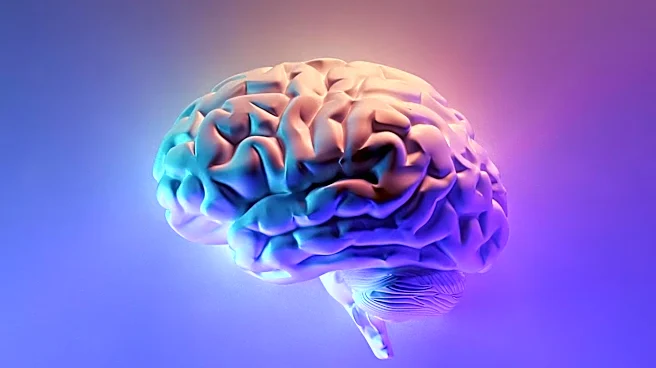
This development is significant as it addresses the critical need for specialized care for IDF veterans who have sustained traumatic brain injuries. These injuries, often referred to as 'invisible wounds,' can lead to long-term neurological, cognitive, emotional, and behavioral challenges. The establishment of this center represents a commitment to providing comprehensive care and support to veterans, ensuring they receive the dignity and long-term assistance they deserve. The project also highlights the ongoing support from the FIDF, a non-profit organization dedicated to aiding Israeli soldiers, which underscores the importance of international partnerships in enhancing veteran care. The center's integrated rehabilitation model aims to combine therapeutic, educational, vocational, and social services, setting a new standard for veteran care in Israel.
What's Next?
With permits already approved, the final preparations for the construction of the new rehabilitation center are underway. The facility is expected to be completed by 2030, providing a modern and accessible environment for the treatment of veterans. The center will feature outdoor spaces, balconies, and a rooftop terrace for community programming, along with dedicated parking and protected spaces. As the project progresses, it will be crucial to monitor the implementation of the integrated rehabilitation model and its impact on the quality of care provided to veterans. The success of this initiative could serve as a model for similar projects in other countries, emphasizing the importance of comprehensive and specialized care for veterans with traumatic brain injuries.