




What's Happening?
Wellness influencers are actively promoting nicotine as a stress and mood management tool, despite research indicating that long-term users often experience increased difficulty in managing stress and anxiety. These influencers also play a significant
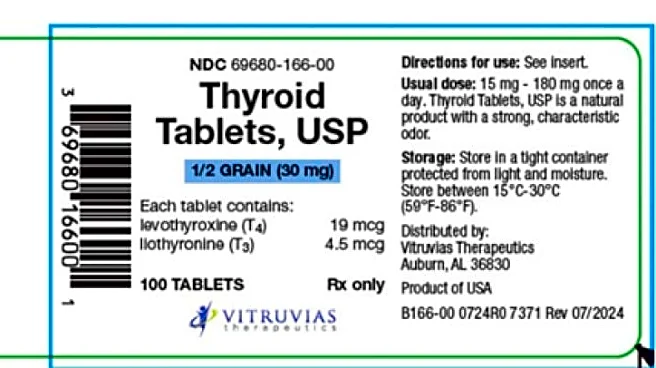
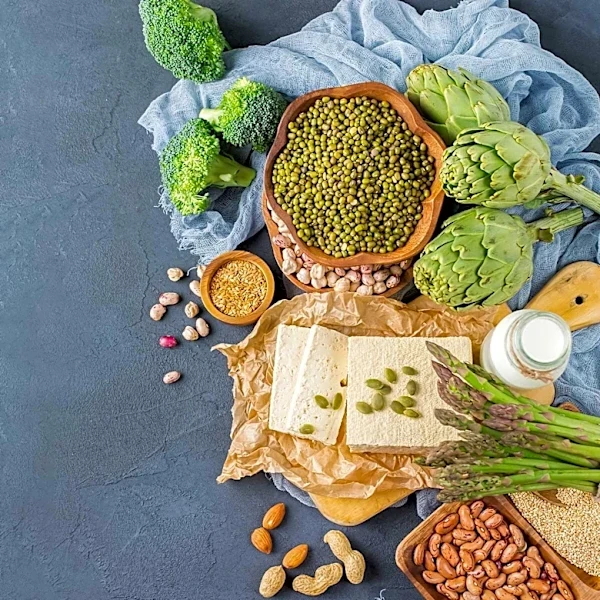
role in popularizing antioxidant supplements, contributing to a broader cultural shift towards preventive wellness. Their involvement extends to creator-led marketing for various health and wellness supplements, where they manage partnerships and content to drive sales. The rates for general wellness micro-creators, those with 10,000 to 100,000 followers, typically range from $200 to $1,000 per post, depending on their follower count and platform. This trend highlights the growing influence of social media personalities in shaping public health perceptions and consumer choices, particularly in the unregulated or less regulated segments of the wellness industry. The promotion of such products by influencers often blurs the lines between personal endorsement and medical advice, creating a complex landscape for consumers seeking reliable health information.
Why It's Important?
The increasing reliance on wellness influencers for health information and product recommendations carries significant implications for public health and consumer protection in the U.S. The promotion of substances like nicotine for stress management, contrary to scientific evidence, can mislead consumers and potentially lead to adverse health outcomes. The widespread popularization of antioxidant supplements, while often framed as preventive wellness, may encourage consumers to prioritize unverified remedies over evidence-based medical advice. This trend also impacts the regulatory landscape, as agencies like the FTC and FDA face challenges in monitoring and enforcing compliance in a rapidly evolving digital marketing environment. Businesses in the health and wellness sector are increasingly leveraging these influencers, but they must navigate a complex web of disclosure requirements and substantiation rules for health claims. The financial incentives for influencers, with micro-creators earning hundreds to thousands per post, underscore the commercial motivations behind these promotions, raising questions about the objectivity and scientific rigor of the information being disseminated to the public.
What's Next?
The evolving landscape of wellness influencer marketing suggests a continued need for stricter regulatory oversight and clearer guidelines for both influencers and brands. Regulatory bodies, such as the FTC, are likely to intensify their scrutiny of health claims made by influencers, particularly concerning products like nicotine and supplements. This could lead to more frequent enforcement actions, including warning letters, fines, and class-action lawsuits against non-compliant brands and influencers. Consumers can expect to see increased efforts by public health organizations to educate the public on discerning credible health information from promotional content on social media. For brands, there will be a growing imperative to ensure that their influencer marketing campaigns adhere to all disclosure requirements and that any health claims are adequately substantiated. The industry may also see the development of more robust self-regulatory frameworks or industry best practices to mitigate risks and build consumer trust. Influencers, in turn, may face greater pressure to be transparent about their commercial relationships and to ensure the accuracy and safety of the products they promote.
Beyond the Headlines
The rise of wellness influencers reflects a broader societal shift towards personalized health information and a growing distrust in traditional medical institutions. This phenomenon taps into a desire for accessible, relatable health advice, often delivered by individuals perceived as authentic and trustworthy. However, this accessibility comes with inherent risks, as the line between personal experience and professional medical advice becomes increasingly blurred. The ethical implications are profound, particularly when influencers promote products with questionable efficacy or potential harm, such as nicotine for stress relief. This trend also highlights the power of social media algorithms in shaping health narratives, potentially creating echo chambers where misinformation can thrive. Culturally, it signifies a move towards a more proactive, yet sometimes misinformed, approach to wellness, where self-optimization often takes precedence. The long-term impact could include a further erosion of public trust in scientific consensus and a greater reliance on anecdotal evidence, posing significant challenges for public health initiatives and evidence-based medicine.