






What's Happening?
Experts have raised concerns about the United States' preparedness for future pandemics, highlighting significant gaps in planning and execution during the COVID-19 pandemic. The U.S. faced challenges in distributing vaccines globally due to a lack of
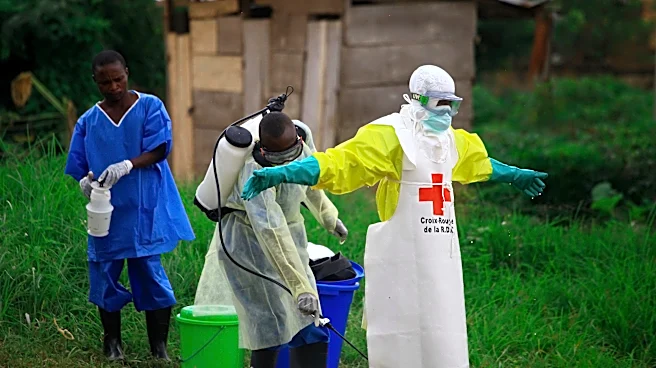
basic supplies like syringes, which hindered efforts to offer vaccines to other countries. This delay in global vaccine access caused long-lasting damage to international alliances, making it difficult to rebuild trust. The response to the mpox outbreak in 2024 was somewhat better due to pre-existing vaccine availability, but distribution issues persisted. Experts emphasize the need for better communication strategies to combat misinformation and the importance of investing in public health infrastructure to prepare for future health threats.
Why It's Important?
The shortcomings in the U.S. pandemic response have significant implications for global health security and international relations. The inability to effectively distribute vaccines undermined trust between the U.S. and other countries, potentially affecting future collaborations in global health initiatives. The emphasis on improving communication and combating misinformation is crucial, as misinformation can hinder public health efforts and vaccine uptake. Investing in public health infrastructure is essential to ensure rapid and effective responses to future pandemics, which could prevent widespread illness and economic disruption. The lessons learned from the COVID-19 pandemic highlight the need for a coordinated and equitable approach to global health challenges.
What's Next?
Moving forward, the U.S. must prioritize strengthening its public health infrastructure and improving its pandemic preparedness strategies. This includes ensuring adequate supplies for vaccine distribution and enhancing communication efforts to address misinformation. International collaboration will be key in addressing global health threats, and rebuilding trust with international partners will be crucial. The U.S. may need to reassess its role in global health organizations and consider increased investment in public health to prevent future pandemics. Policymakers and health officials will need to work together to implement these changes and ensure the country is better prepared for future health emergencies.