





What's Happening?
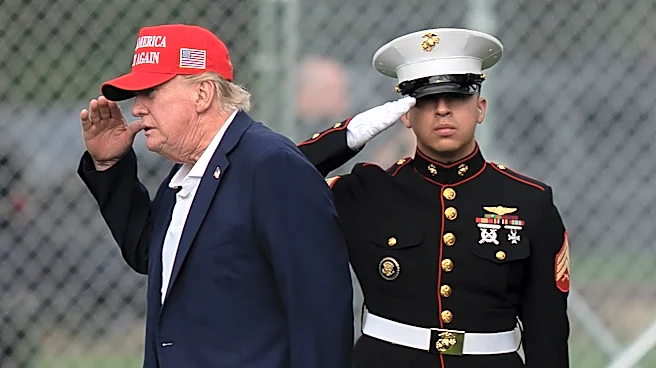
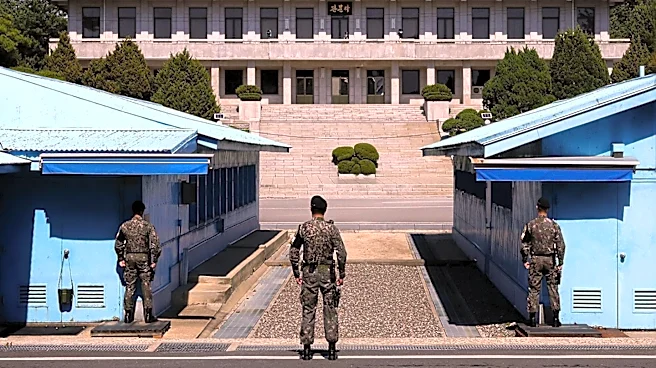
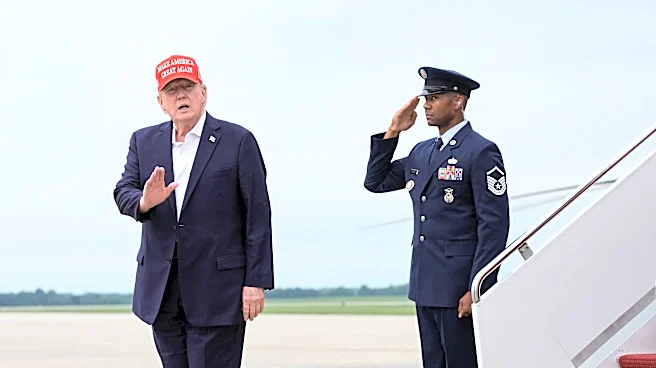
President Trump announced on his Truth Social platform that he has ordered the Pentagon to scale back joint military exercises with South Korea. He cited cost and Seoul's reluctance to join the US 'denuclearisation of the Islamic Republic of Iran' as reasons
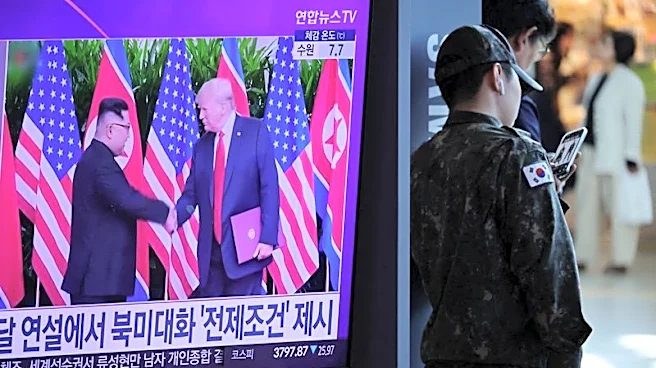
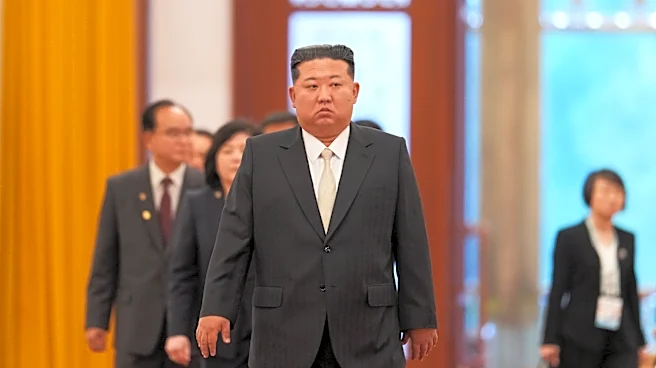
for the decision. The President also expressed concern that the exercises send an 'inappropriate and hostile' signal to North Korea. This move comes as the US military has redeployed missile defense interceptors from South Korea to the Middle East and withdrawn its last aircraft carrier from the region to focus on operations against Iran. Christian Le Miere, an honorary fellow at the Council on Geostrategy, stated that scaling back support for South Korea could indicate a weakening of American power in the Pacific to North Korea, Russia, and China. Edward Howell, a lecturer at the University of Oxford, noted that North Korean leader Kim Jong-un has been a steadfast ally of Vladimir Putin, supplying Russia with military aid for the conflict in Ukraine.
Why It's Important?
This decision by President Trump is significant because it could weaken the US-South Korea alliance, which has been a cornerstone of stability in the Indo-Pacific region for decades. Military exercises are crucial for building readiness, interoperability, and understanding between allies, and scaling them back could undermine these aspects. Experts like Christian Le Miere suggest that this move could be perceived by rivals such as China, Russia, and North Korea as a sign of diminishing American influence in the Pacific. This perception could embolden these nations, potentially leading to increased aggression or challenges to regional security. Furthermore, the redeployment of US military assets from the region to the Middle East highlights the strain on American resources and its ability to maintain high-tempo operations in multiple theaters simultaneously. The potential weakening of the alliance could also impact global efforts to counter North Korea's nuclear ambitions, as North Korea seeks recognition as a legitimate nuclear power and the withdrawal of US troops from the Korean peninsula.
What's Next?
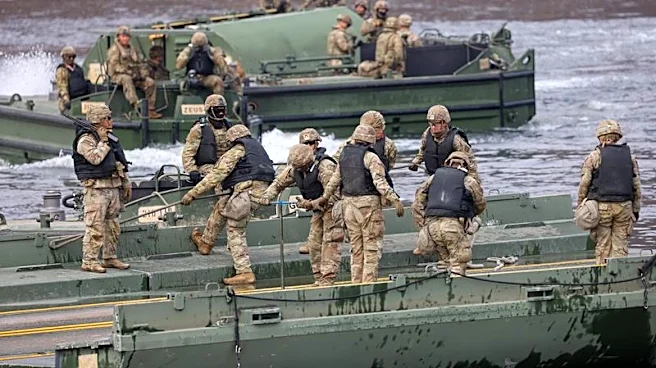
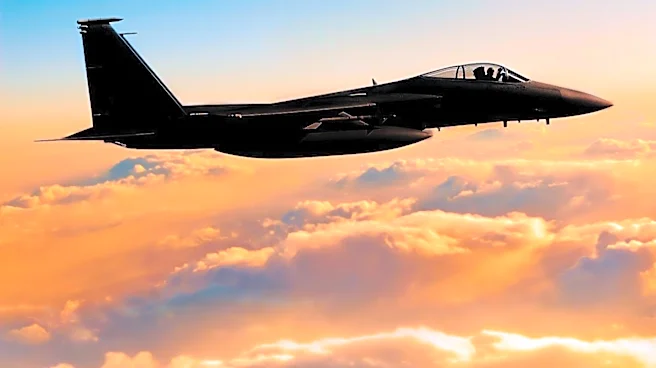
The immediate consequence will be the reduction in the scope of the Ulchi Freedom Shield exercise, an annual event involving thousands of US and South Korean troops. This decision is likely to be closely watched by regional powers and allies, who will be assessing the implications for US commitment to its alliances. North Korea, Russia, and China are expected to interpret this development as an opportunity to further their own interests and potentially challenge US global leadership. Edward Howell suggests that North Korea, already at its 'most emboldened point ever,' will likely continue to push for US acknowledgment of its nuclear status and the eventual withdrawal of US troops from the Korean peninsula. The long-term impact could include a re-evaluation of security arrangements by South Korea and other US allies in the region, potentially leading to shifts in geopolitical alignments. The situation also raises questions about the future of US foreign policy and its approach to alliances under President Trump's leadership.
Beyond the Headlines
Beyond the immediate military implications, President Trump's approach to the South Korea alliance reflects a broader shift in US foreign policy, characterized by a transactional view of international relationships. This perspective, as noted by Samuel Ramani of the Royal United Services Institute, views allies like South Korea as 'free riders' if they do not contribute sufficiently to shared defense burdens or align with US foreign policy objectives, such as the 'denuclearisation of the Islamic Republic of Iran.' This transactional approach contrasts with traditional alliance-building based on mutual security interests and shared values. The move could have profound ethical and cultural implications, as it challenges the long-standing trust and solidarity that have defined the US-South Korea relationship. It also raises questions about the long-term stability of US alliances globally, as other allies may perceive a similar risk of being disengaged from if their interests do not perfectly align with US priorities. This could lead to a more fragmented international security landscape and potentially encourage a multipolar world order.